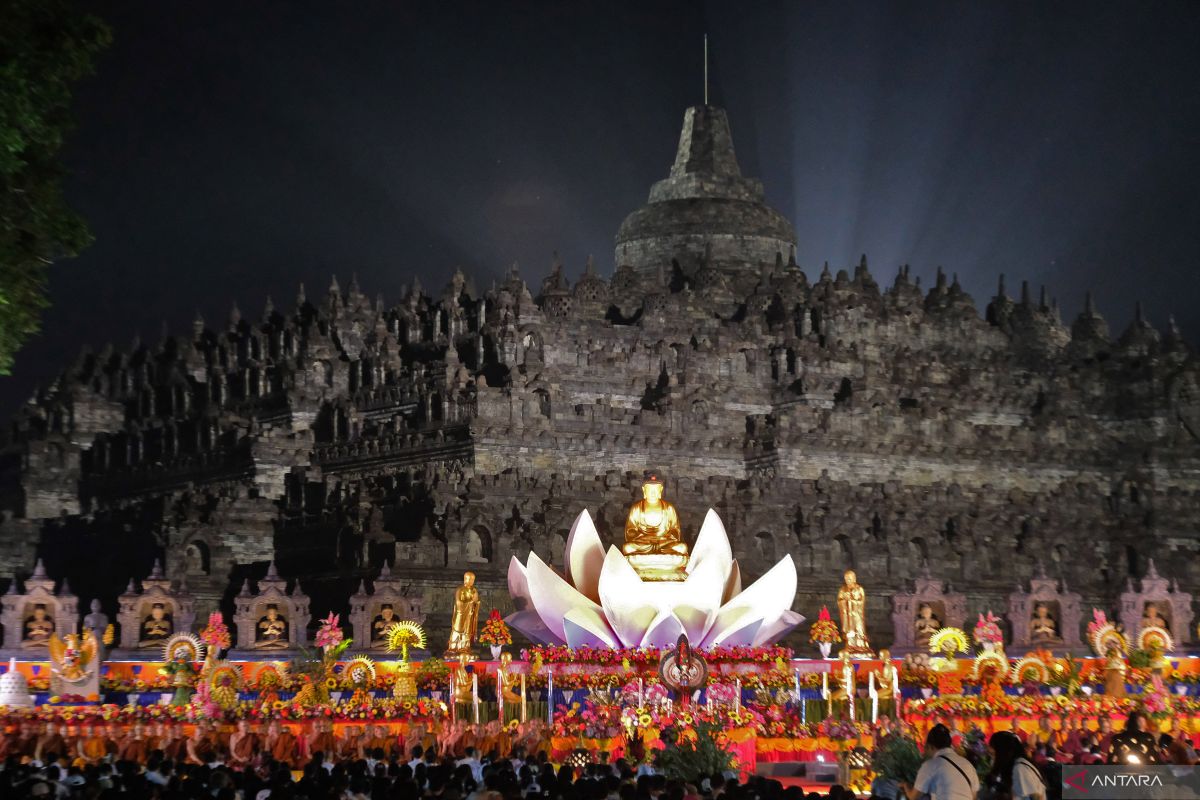

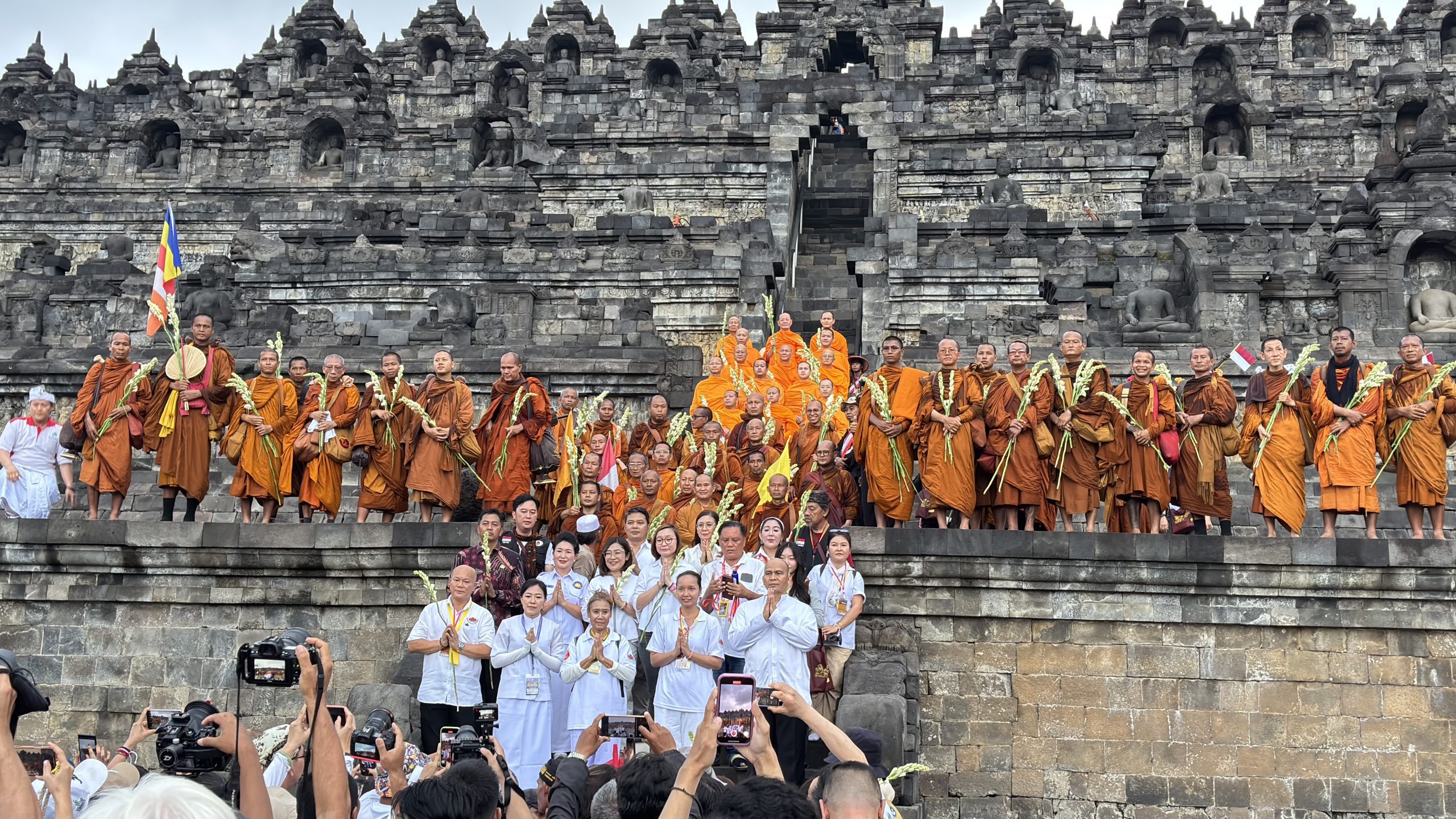
Twilight descends over Central Java – and thousands of flickering lanterns rise in unison above the silhouette of Borobudur Temple.
Beneath them, the scene is hushed and reverent: barefoot monks in saffron robes, and devotees and pilgrims in white walking slowly in rhythmic unison. The air carries the low hum of sutras, the scent of incense, and a sense of something timeless unfolding.
This is Waisak, a sacred celebration of Buddha’s birth, enlightenment, and passing.
And at Borobudur, it’s both an age-old ritual and a modern reflection of peace, presence, and purposeful living.
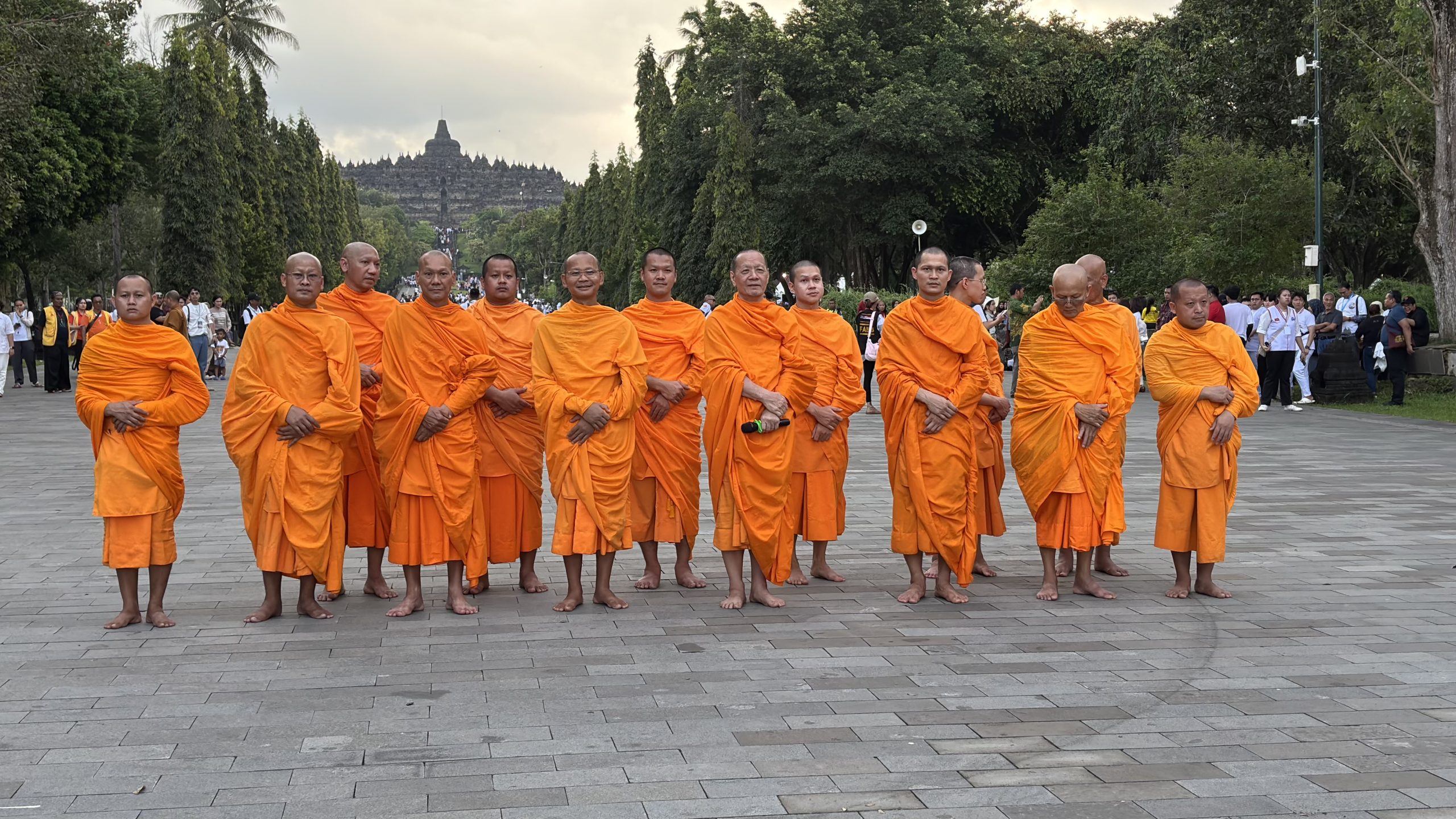
This year’s celebration at Borobudur on 22 May is particularly special, marked by the arrival of 38 Thai monks who journeyed over 2,500 kilometers on foot in a spiritual practice known as thudong.
Their disciplined trek to Central Java through Thailand, Malaysia, and Sumatra culminates in a sacred homecoming – not to their country of origin, but to a spiritual nucleus shared across the region.
“We felt like we were returning home,” says Thai monk Bhante Thudong Wetcai.
“Indonesia welcomed us like family. Borobudur, though silent, speaks to every heart that walks its path.”
From Bangkok to Borobudur
The thudong is not for the faint-hearted.
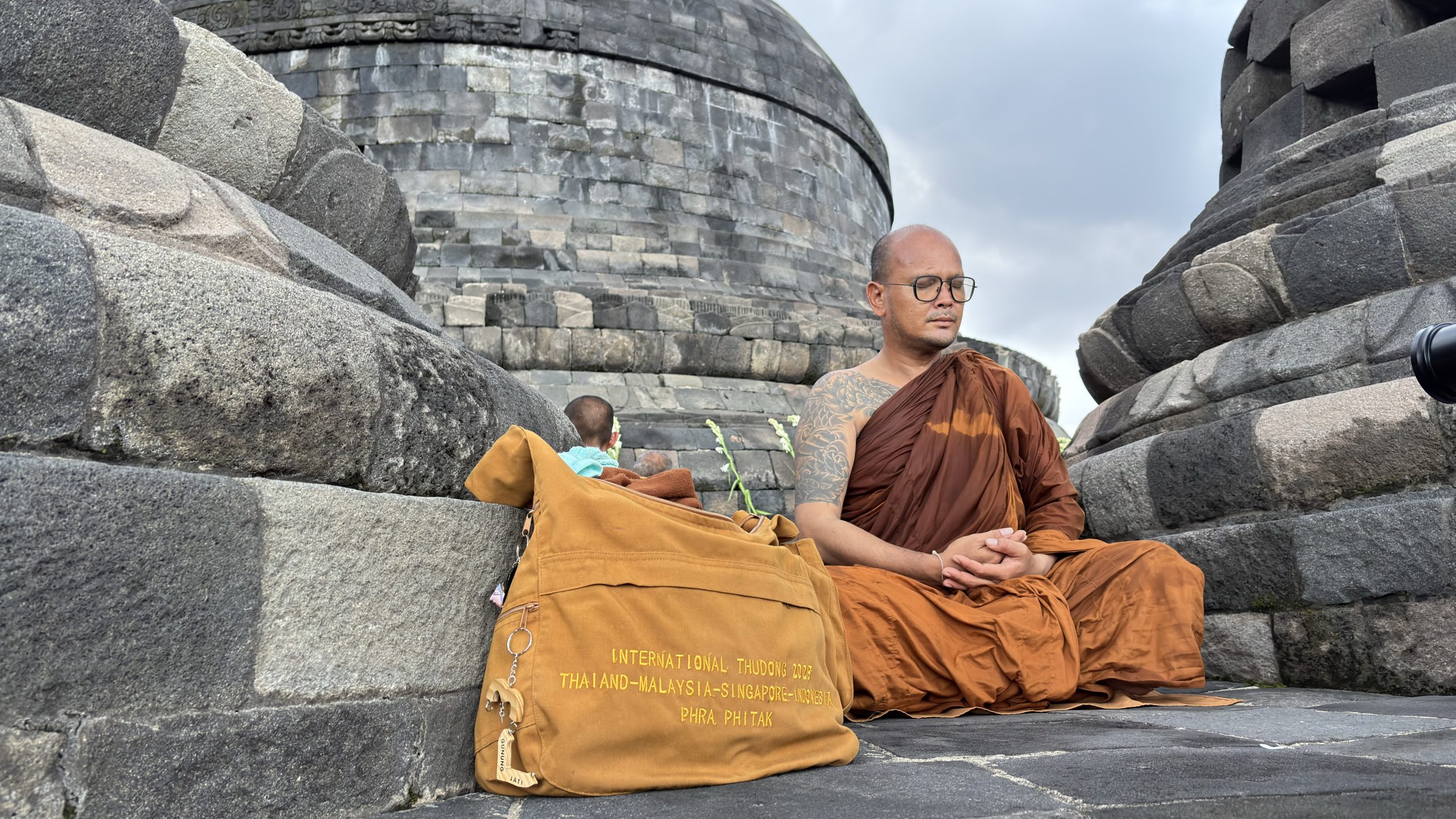
It’s among Buddhism’s most austere spiritual practices: a long journey monks make on foot, with little more than robes, sandals and the generosity of strangers. Their journey is not only physical but deeply internal: meditation in motion.
This year’s pilgrimage ended in Magelang, home to the 9th century Borobudur Temple, just in time for the peak of Waisak.
Bhante Wetcai, the respected monk from Thailand who led the spiritual caravan of monks says:
“Walking this far is not easy. Even a monk must train himself – body and mind – to endure. Some days we walked more than 46 or 47 kilometers. We had to learn how to care for our bodies, for our feet, because if we are injured, we cannot continue. The discipline becomes spiritual.”
But beyond physical endurance, Bhante Wetcai was struck most by the spiritual harmony he witnessed along the way.
“Many people asked me why we chose to walk through Indonesia,” he says. “It’s because here, people live and work together regardless of whether they are Buddhist, Muslim, Christian, or anything else. We are a community. We are one.”
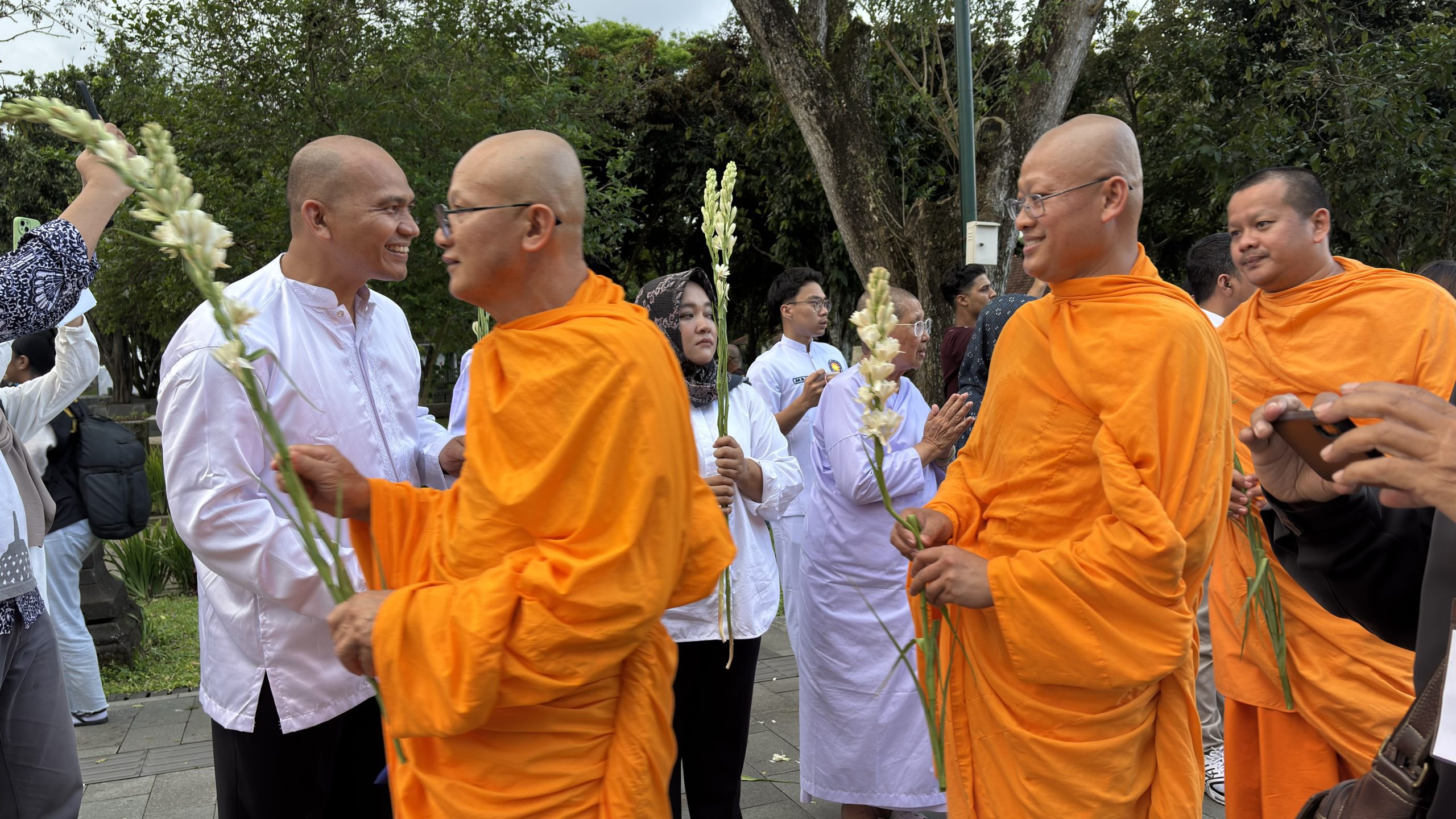
From local villagers offering food and shelter, to interfaith supporters walking alongside the monks, the journey revealed a shared humanity transcending creed and nationality.
“This is more than a journey,” Bhante Wetcai says. “This is the spirit of Indonesia. This is about connection: between Thailand and Indonesia, between people and faith, between hearts.”
As they made their long trek across Thailand, Malaysia, and Sumatra, the monks were met with open hearts. From strangers offering meals to schoolchildren walking beside them in solidarity, the journey became a moving portrait of Southeast Asian harmony.
With 2025 marking 75 years of formal relations between Thailand and Indonesia, the monks’ journey was both a spiritual milestone and a living expression of Asean solidarity.
And when they finally reached Borobudur, the storied temple did not feel foreign.
“When we arrived, it felt like coming home,” he shares. “Borobudur is not just a place. It’s a living heart for anyone who comes with good intentions.”
Bhante Wetcai was most moved by Indonesia’s quiet interfaith harmony. In a land home to many religions, he found not division but unity.
“Here, there are six religions and many languages,” he reflects. “And yet people still live together peacefully because they uphold the principles of gentleness and mutual respect.”
Living monument and spiritual sanctuary

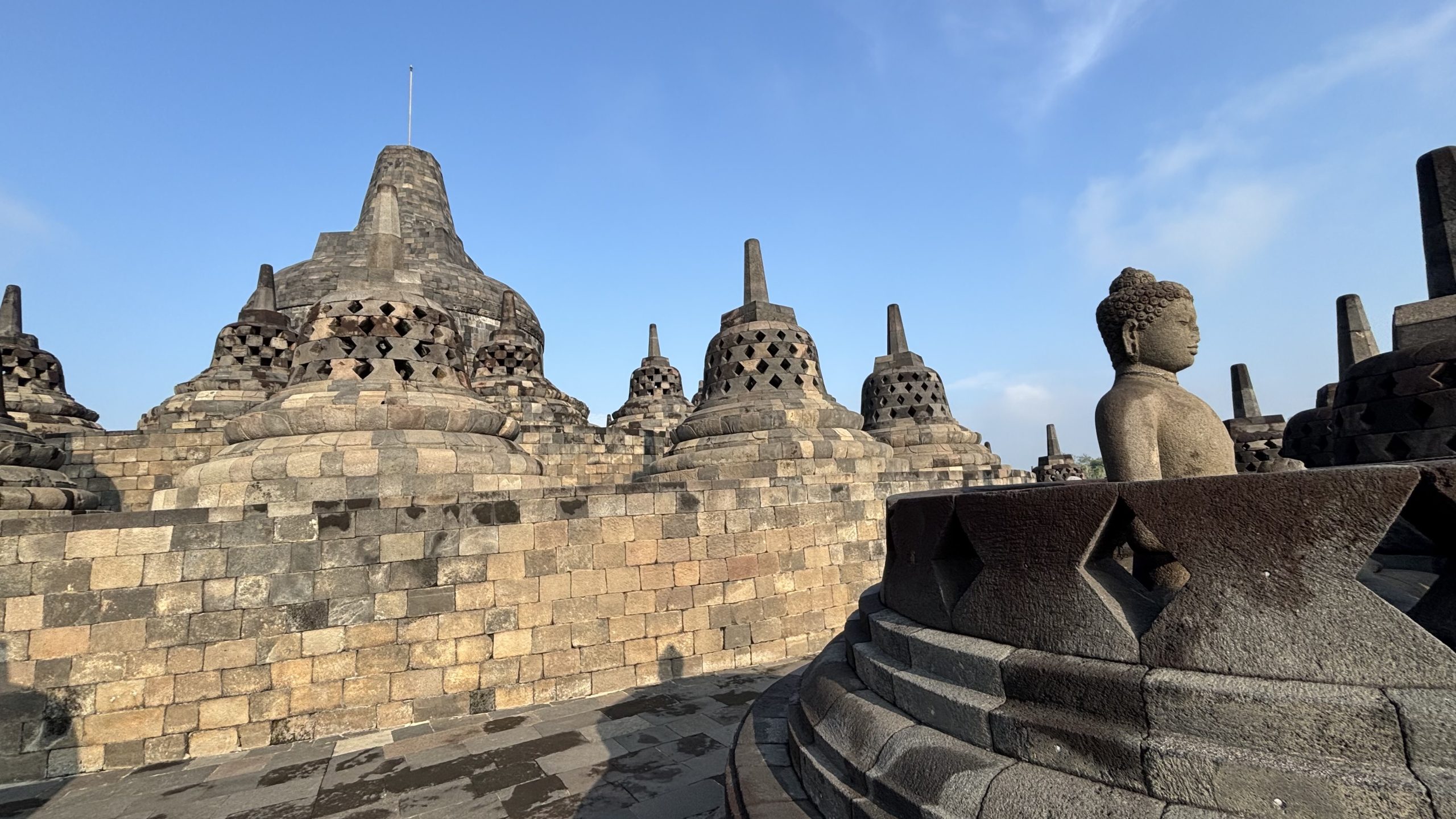
For decades, Borobudur stood revered but dormant; a grand relic of Indonesia’s Buddhist past.
Today, it’s being gently transformed into a living sanctuary of spiritual and cultural immersion.
Through initiatives by Indonesia’s Ministry of Tourism and Creative Economy, InJourney – a state-owned enterprise managing tourism destinations – and other partners, the temple is no longer just a UNESCO site.
It’s a living spiritual sanctuary, a place where ancient wisdom meets contemporary experience.
And beyond sacred rituals, the temple grounds now host immersive cultural and wellness offerings designed to attract spiritually conscious global travelers.
At the Borobudur Spiritual Sanctuary, visitors can participate in guided meditation, traditional Javanese healing therapies, and spiritual discussions with monks and scholars. Nearby, the Pasar Medhang market offers elevated artisanal crafts, batik workshops, and locally inspired culinary experiences — blending heritage with elegance.
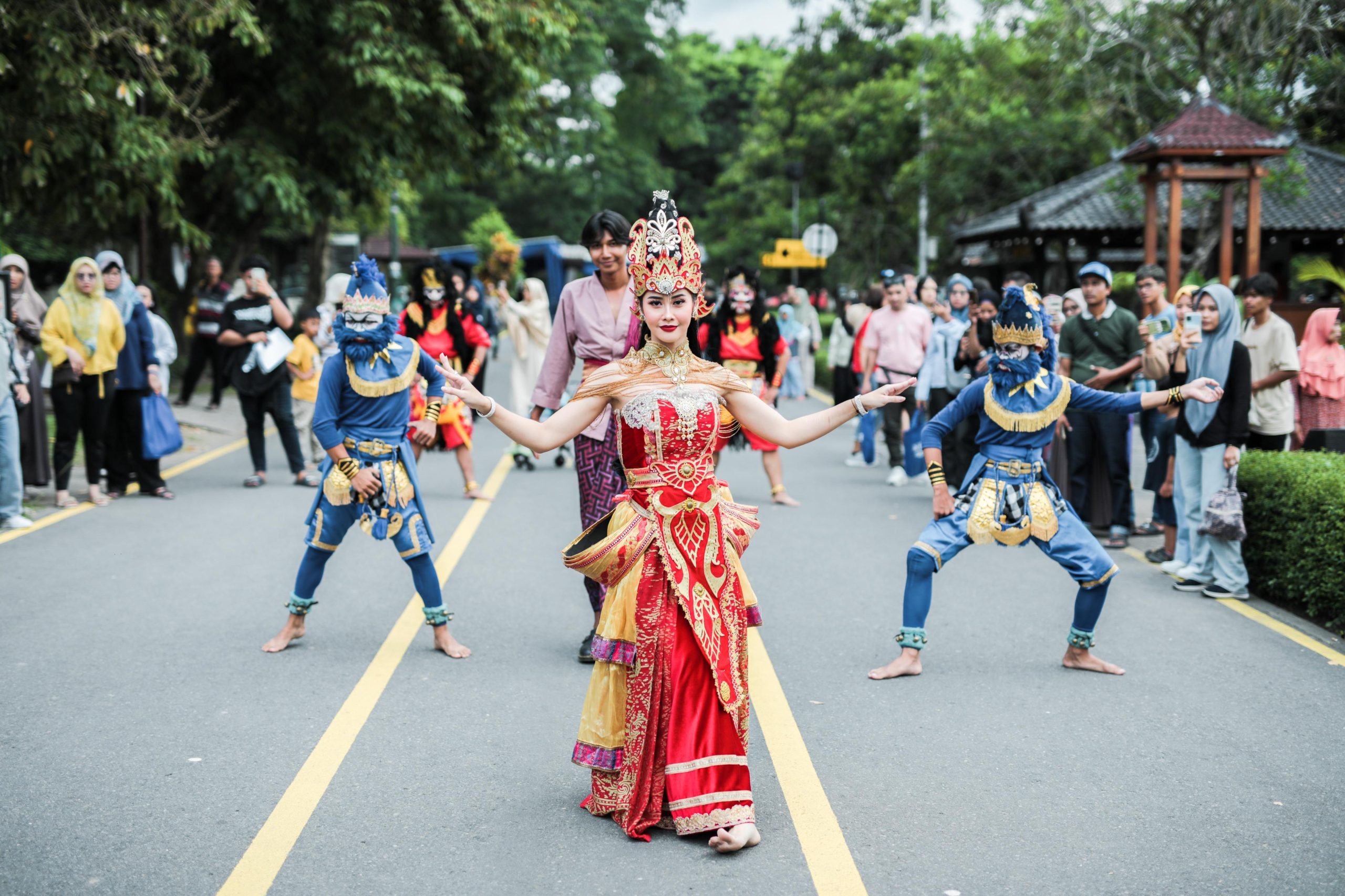
This integrated approach is part of a larger vision to position Borobudur as the centerpiece of Indonesia’s spiritual tourism renaissance.
“At the end of the day it’s not just an ordinary religious celebration or a lantern festival at night, but a celebration of how having love, compassion, and sincerity for ourselves truly matters,” said Irene Umar, Deputy Minister of Creative Economy.
Her words echoed across the festival grounds during the opening ceremony of Waisak 2025 as pilgrims and dignitaries alike paused to reflect beneath the setting sun.
“In Indonesia, we have this phrase, unity and diversity. So we embrace this,” says Maya Watono, President Director of InJourney. “We have a Hindu temple just a few kilometers away. This is a Buddhist temple. And something like Waisak really showcases Indonesia at its best. It’s not an issue. We are fostering collaboration and this unity.”
Living proof of unity in diversity
Waisak’s truest elegance lies in its inclusivity. Though rooted in Buddhist tradition, the celebration also sees the participation of Indonesians of all faiths.
This year, a Muslim king from a nearby kraton, or royal palace, sent an official envoy to honour the day; Christian artists collaborated with Buddhist artisans on installations; Muslim artisans helped prepare the grounds.
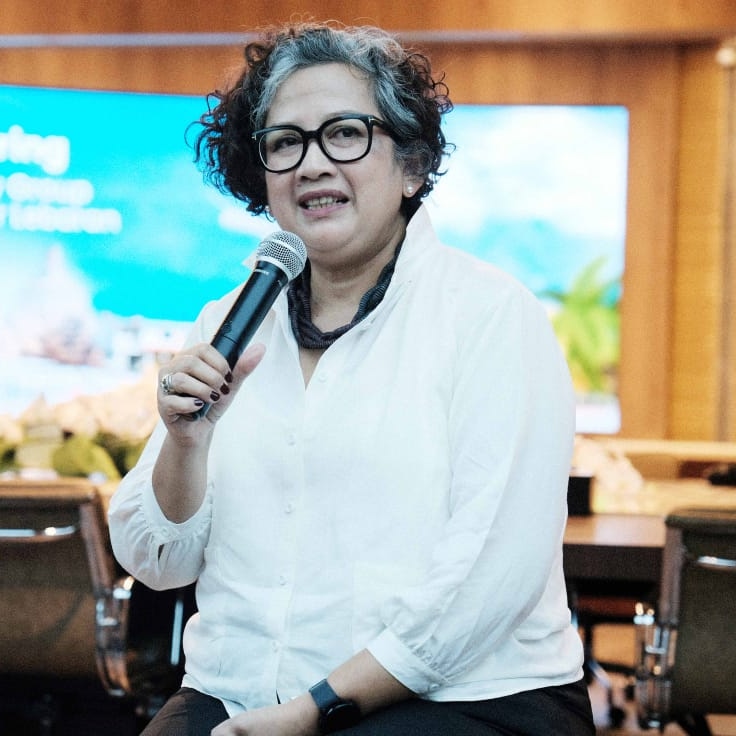
“If you look here, this is a Buddhist temple, correct? But the ones taking care of this place: 90 per cent are Muslims,” says Febrina Intan, President Director of Taman Wisata Candi Borobudur.

“This is a true example of how Indonesians – whether we differ in faith or beliefs – can work together to preserve and give meaning to this World Heritage site. It doesn’t matter your religion, your beliefs, or your nationality: Borobudur welcomes all.”
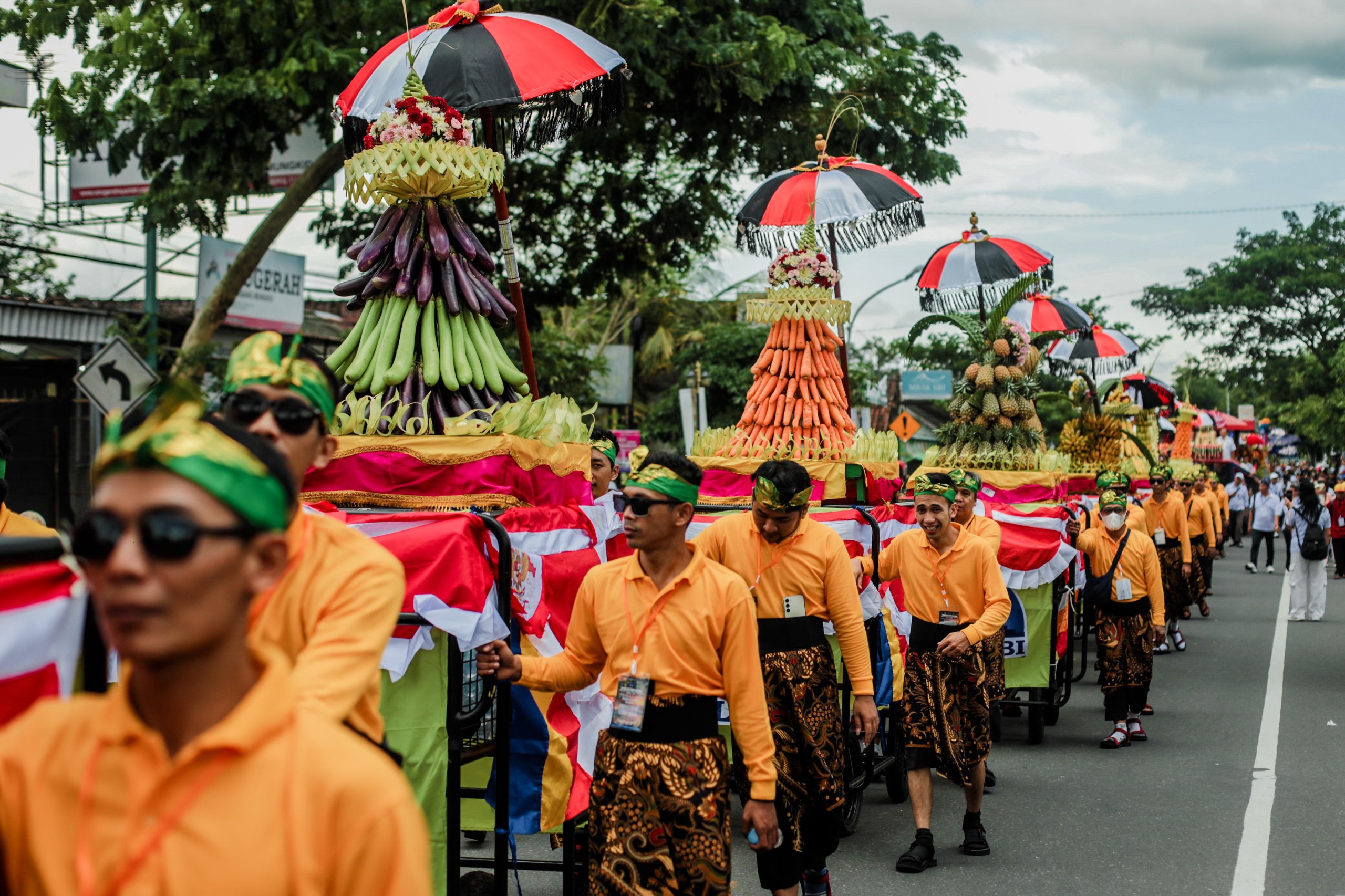
Her words reflect a deeply-rooted wisdom in Javanese and Indonesian identity: harmony is not achieved by erasing differences, but by celebrating them through shared values, respect, and ritual beauty.
“Inside the kraton (royal palace), there’s no rule about headscarves or religious symbols,” Irene adds. “Because it’s not about what divides us — it’s about what brings us together. And that’s culture.”
Bhante Wetcai too, after his long trek, had the opportunity for cross-cultural exchange
“Last night we visited a church and the pastor welcomed us,” he recalls. “They invited us to speak about how we can learn together: about faith, about science, about wisdom. This is how we move forward, starting from the heart, walking together with understanding.”
Light and colour

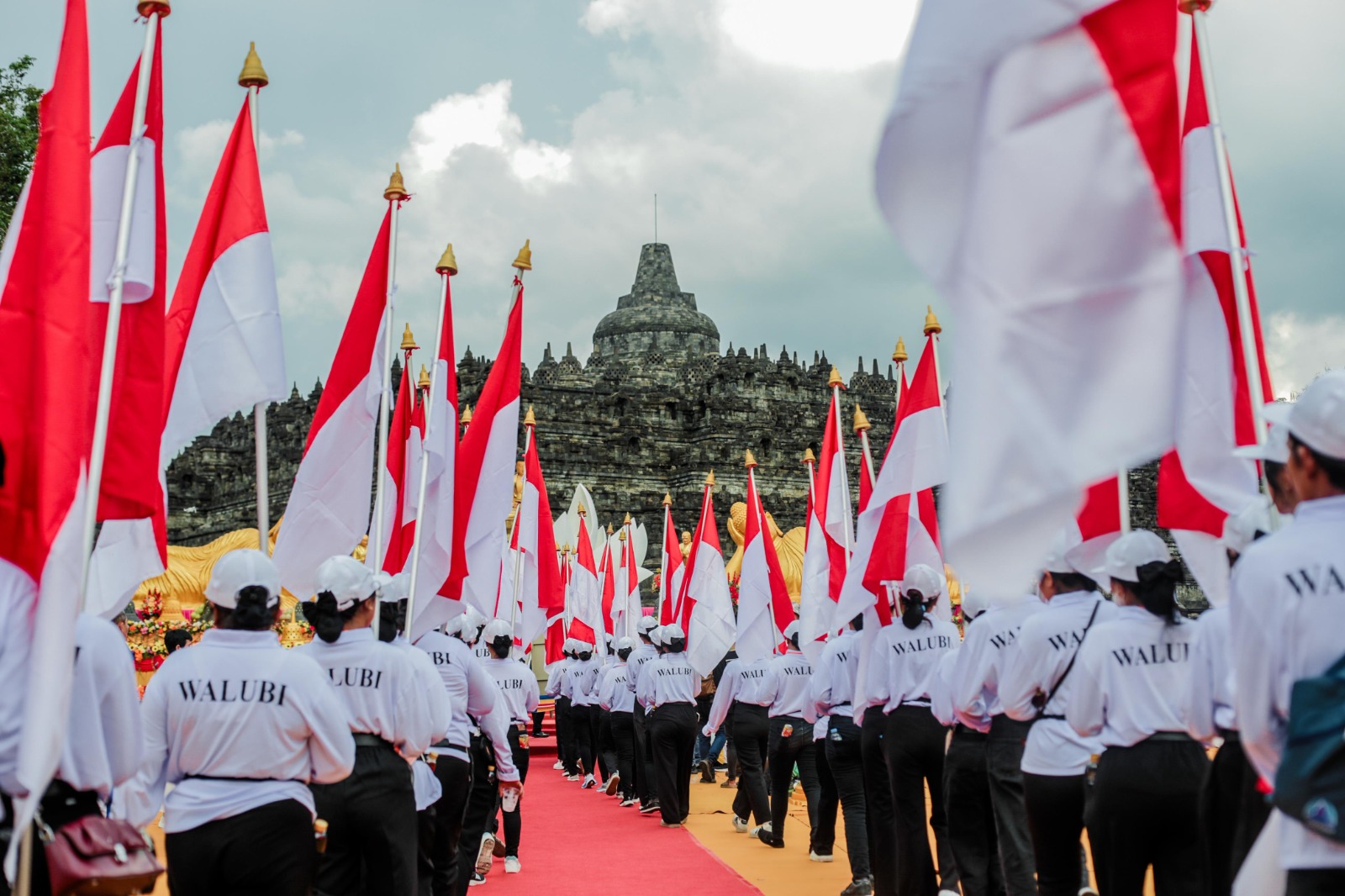
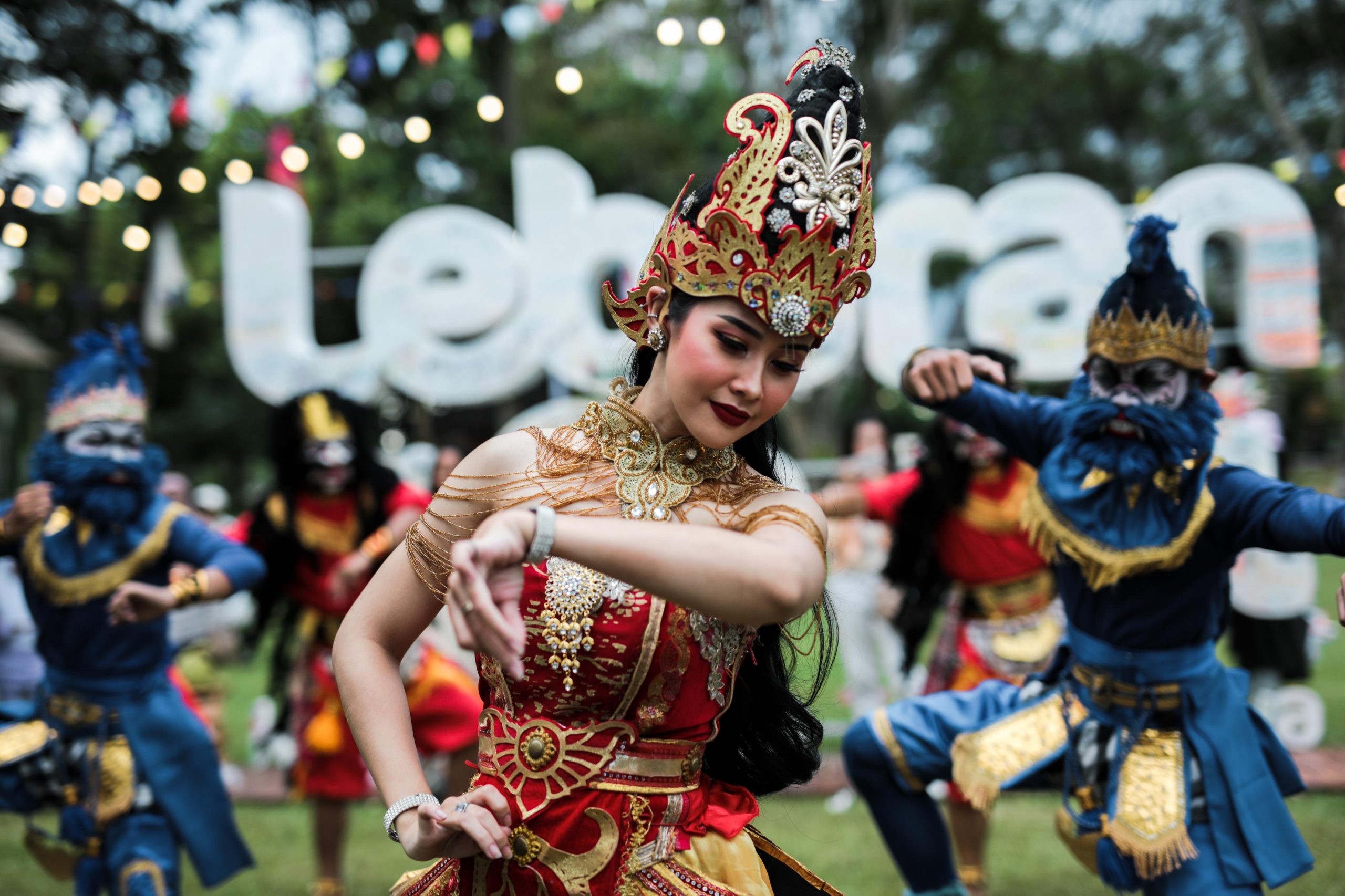
The festival’s most photogenic moment is the Kirab Waisak parade: a colorful procession of monks, musicians, dancers, and devotees carrying sacred fire, holy water, and flowers from Mendut Temple to Borobudur.
The three-kilometer pilgrimage is symbolic of life’s journey: from the pursuit of enlightenment (Mendut), through struggle (Pawon), to ultimate transcendence (Borobudur).
Under the Central Javanese sun, onlookers marvel at the harmony of it all: the chants of Theravada monks, the scent of sandalwood incense, and the gentle clatter of gamelan instruments.
And beyond its beauty lies a deeper truth: this is Indonesia’s spiritual diplomacy in motion.
“All the way through Indonesia, so many locals helped the thudong monks reach Borobudur,” says Febrina. “These people came from various backgrounds, from different beliefs, and yet they walked with the same purpose. That is the proof of how Indonesians stay united, regardless of our differences.”
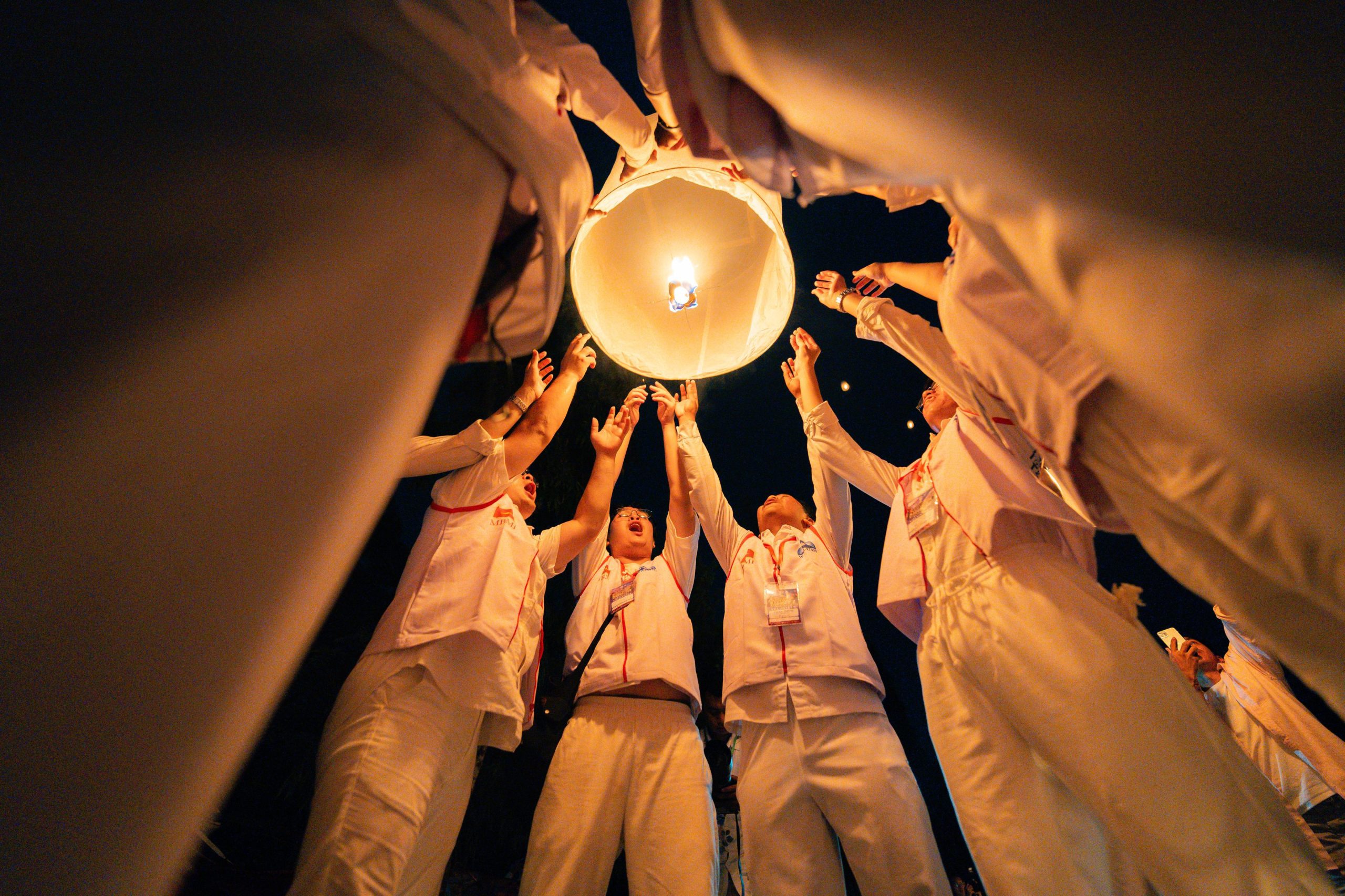
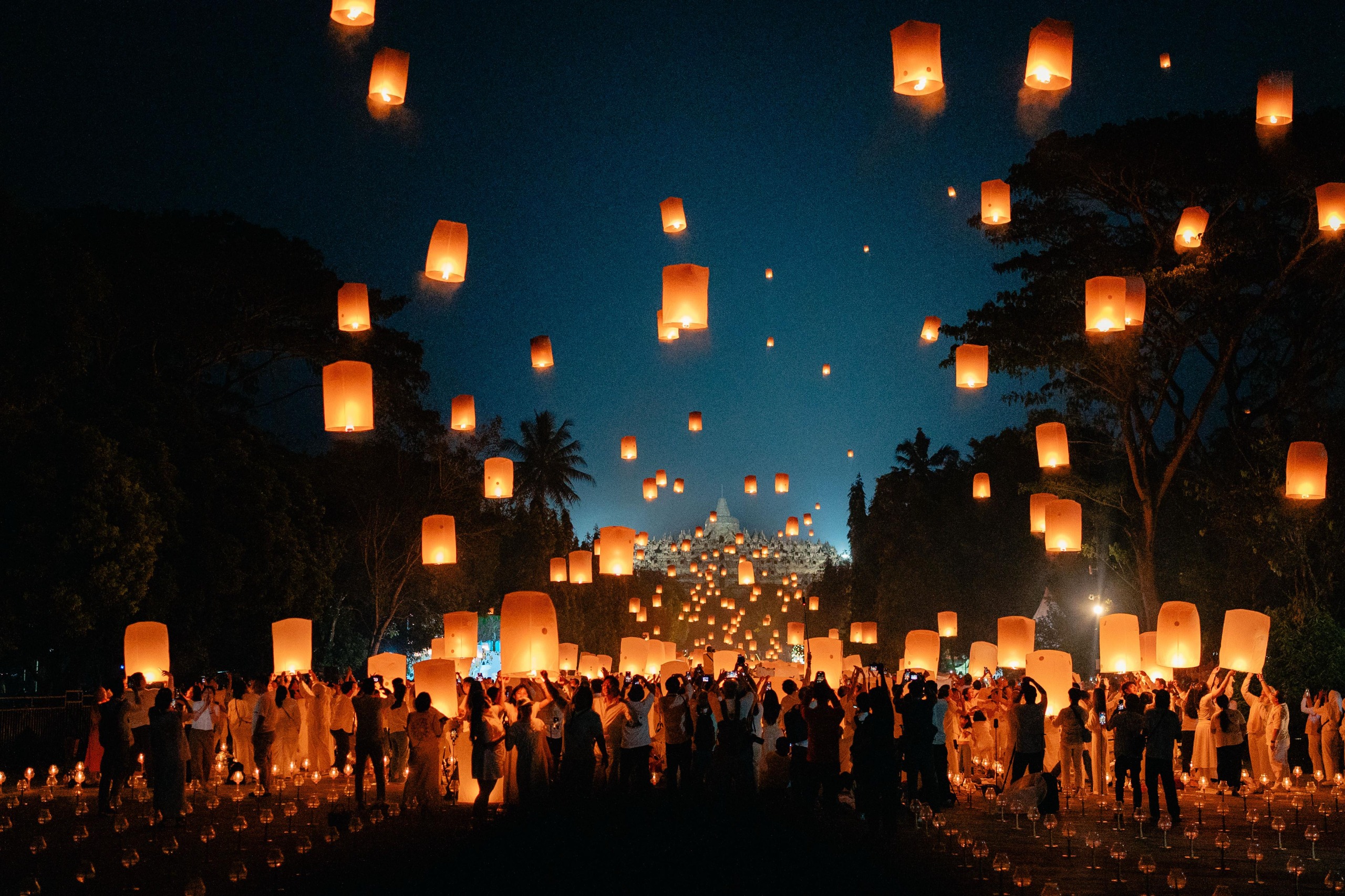
Later on, as night falls, thousands of glowing lanterns rise slowly into the sky, each one a silent prayer, wish or release.
For many, the Lantern Festival is the emotional pinnacle of Waisak.
And here too diversity is on display: Muslims, Buddhists, Christians, Hindus, and spiritual seekers of all kinds gather shoulder to shoulder, gazing upward.
Febrina says: “I’m not Buddhist, so I don’t fully understand the sacred symbolism behind releasing the lanterns. But I think the basic idea is letting go – releasing what weighs you down so you can rise. I believe in that. It helps us become better human beings.”
The widespread appeal is evident in the demand for Waisak tickets. The 2,569 symbolic lantern slots – representing the Buddhist calendar year – sold out in just nine minutes.
“People rushed for it,” says Febrina. “We had to add more tickets, not just for those releasing lanterns, but for those who simply wanted to watch. Over 3,000 more tickets were released. Flights were fully booked, trains unavailable. I had to drive to get here!”
As the final lanterns fade into the night, many pilgrims have a quiet cry – not out of sorrow, but gratitude. For a few days, Borobudur becomes not just a destination but a reflection of our shared longing for peace, unity, and beauty.
“Waisak is a homecoming for the spirit,” said one monk. “Not just ours, but anyone’s. If you walk here, you’re family.”