
Skip to content

Asia Navigator 2026: Shaping the Future of MERS 999

The Premier Conference for Medical, Fire, and Police Dispatching and Secondary Nurse Triage


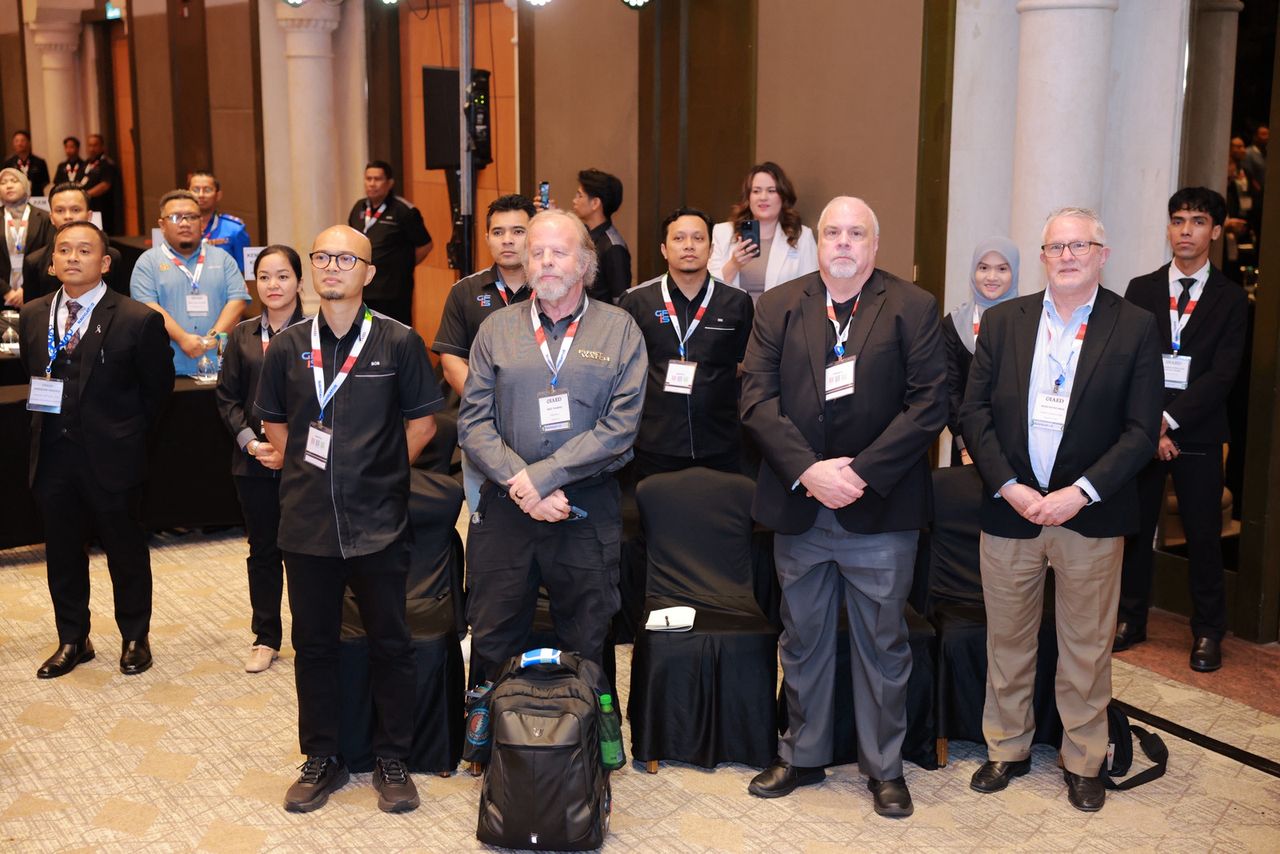
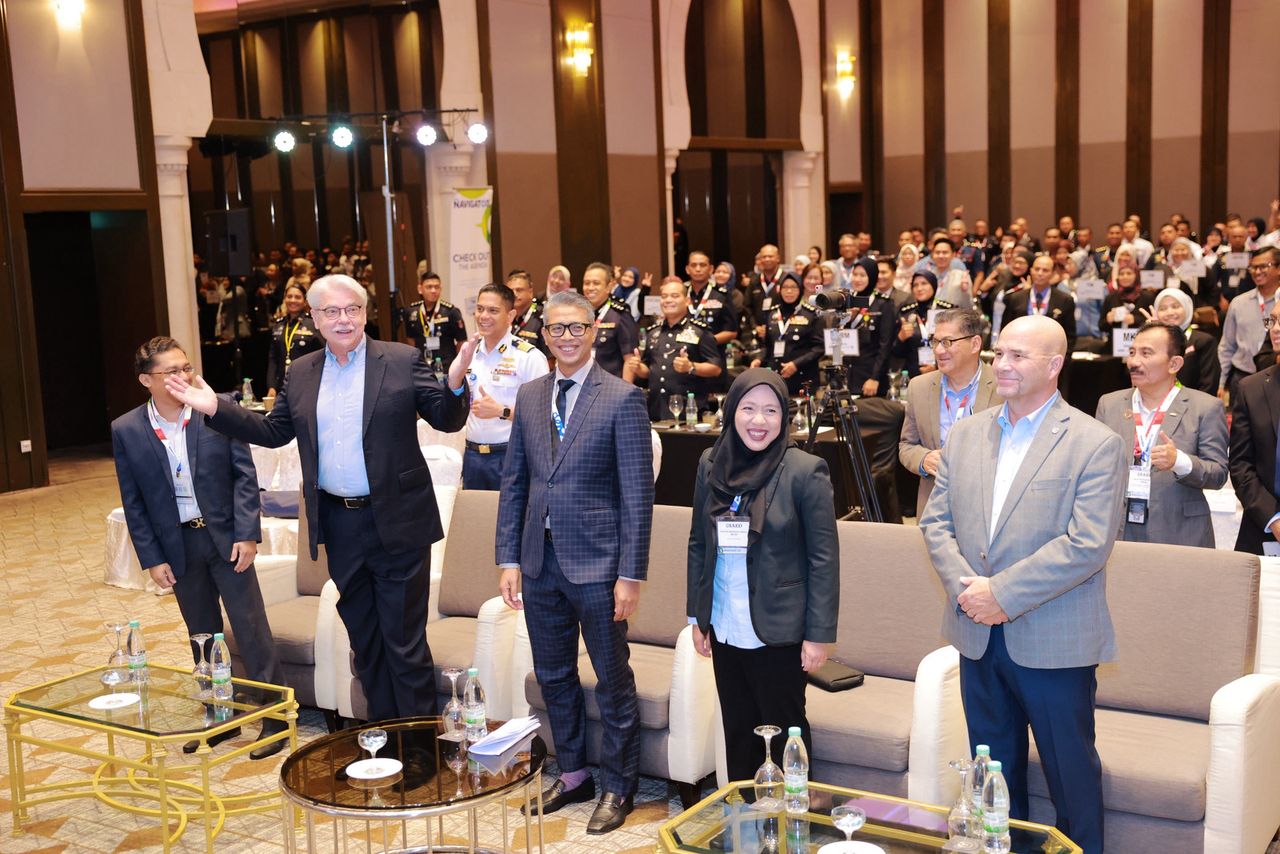
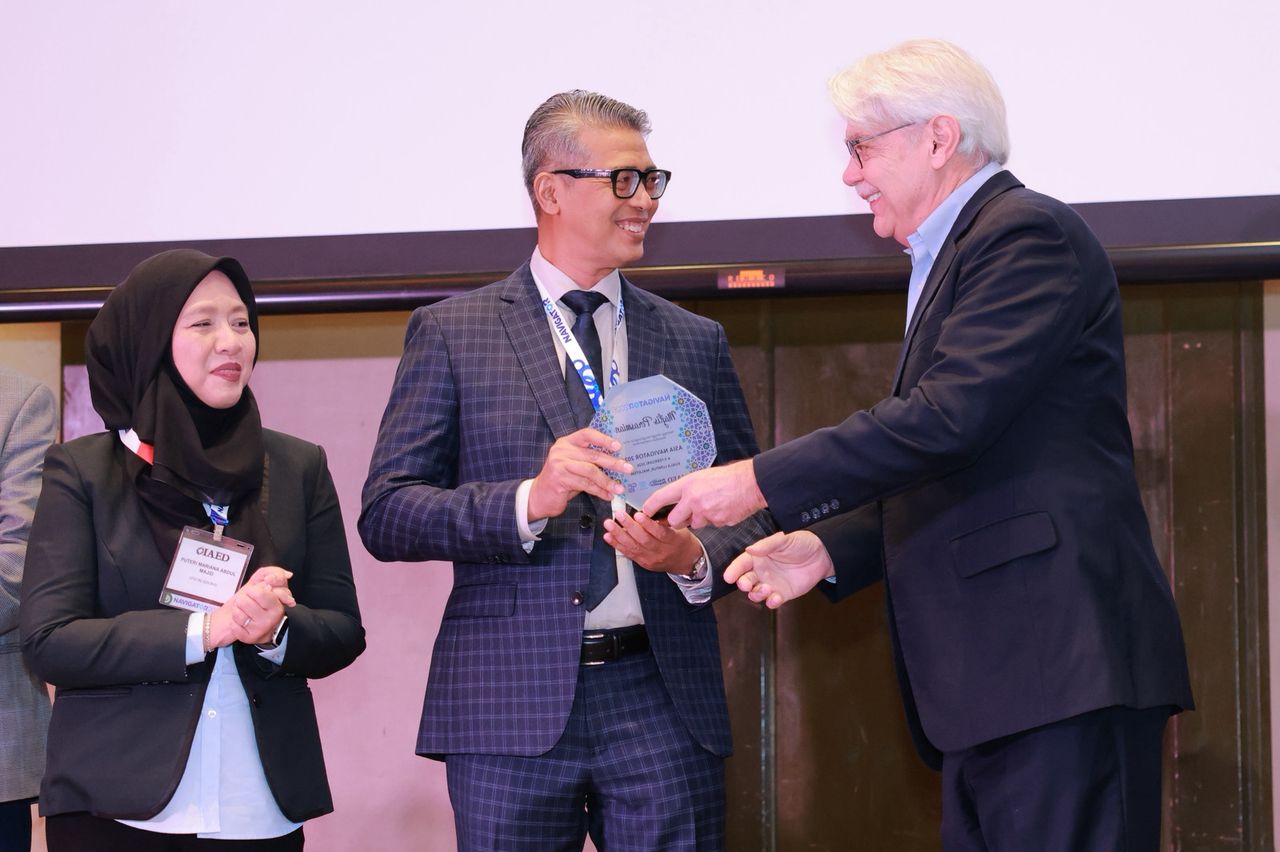
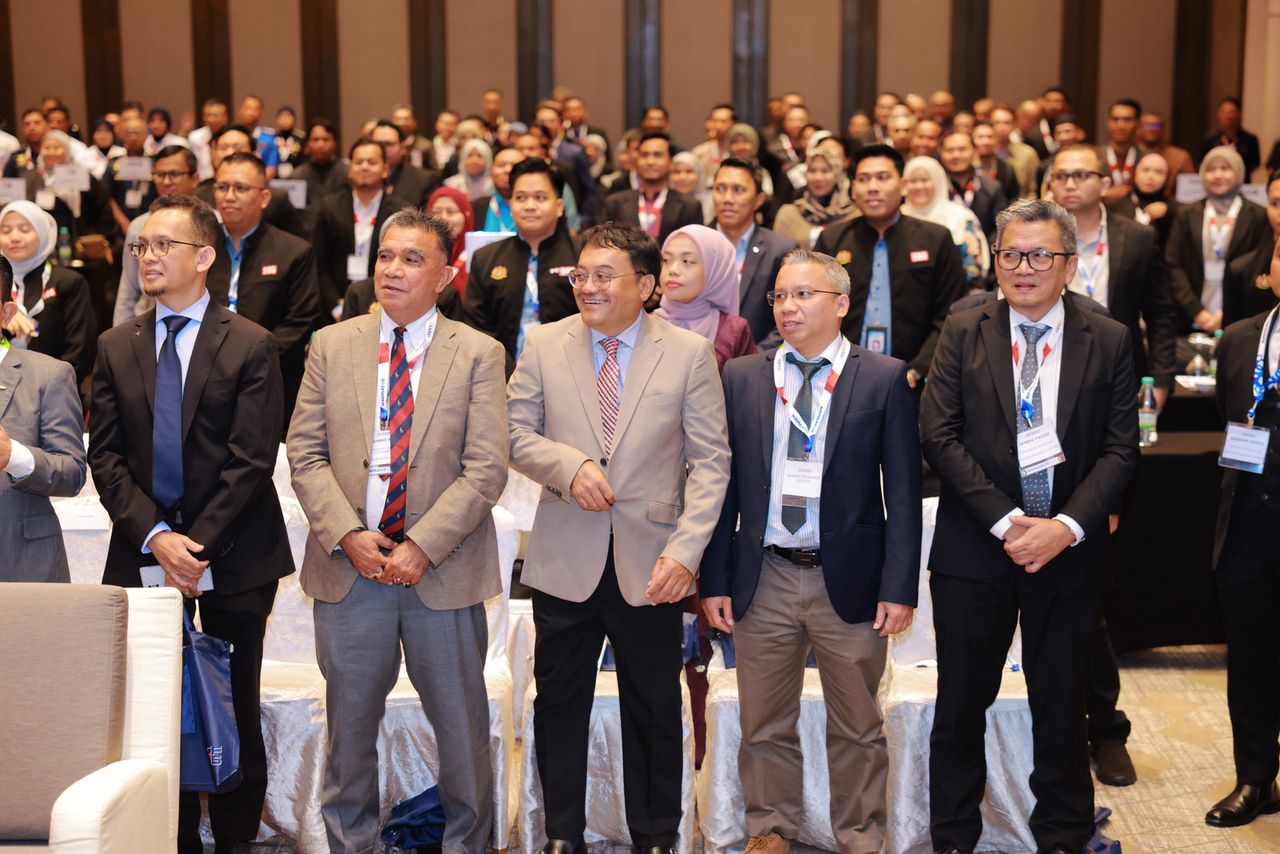
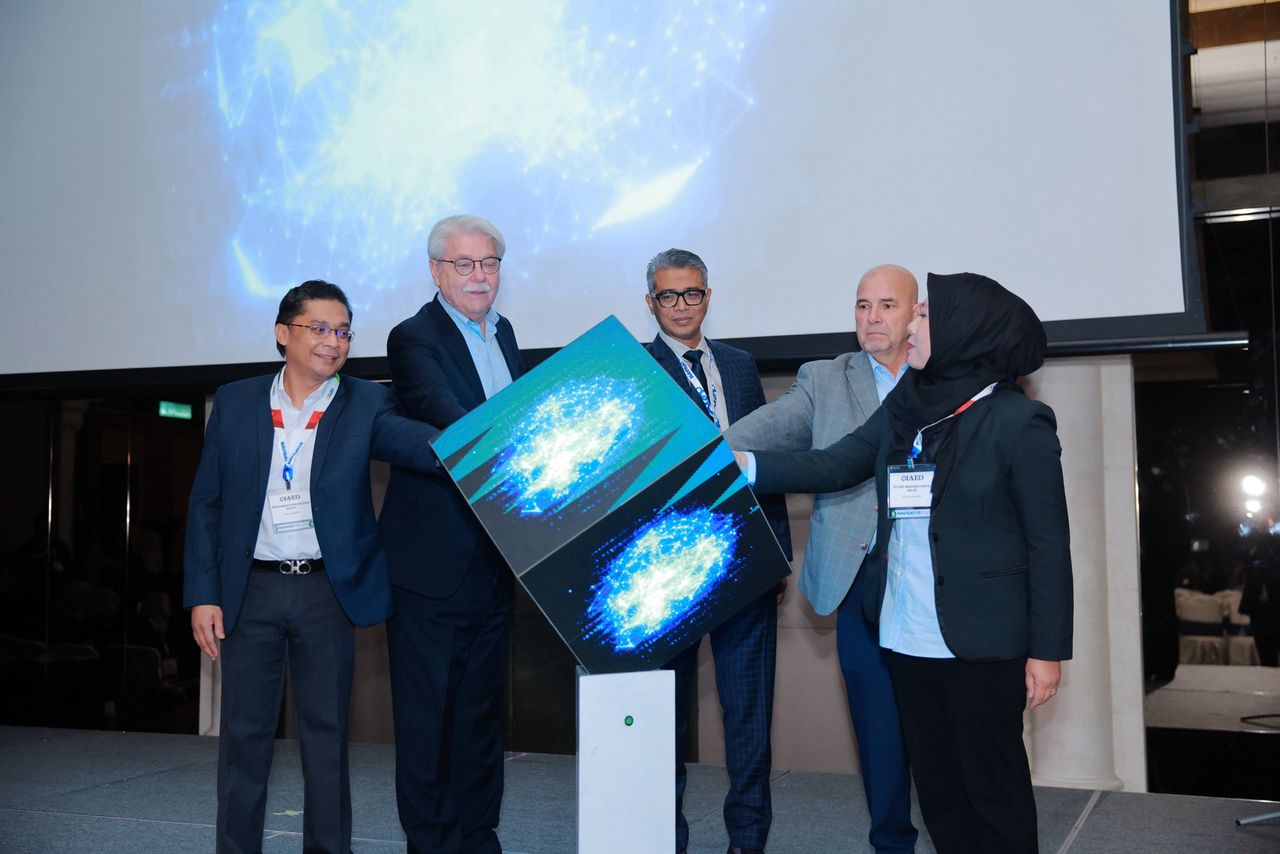
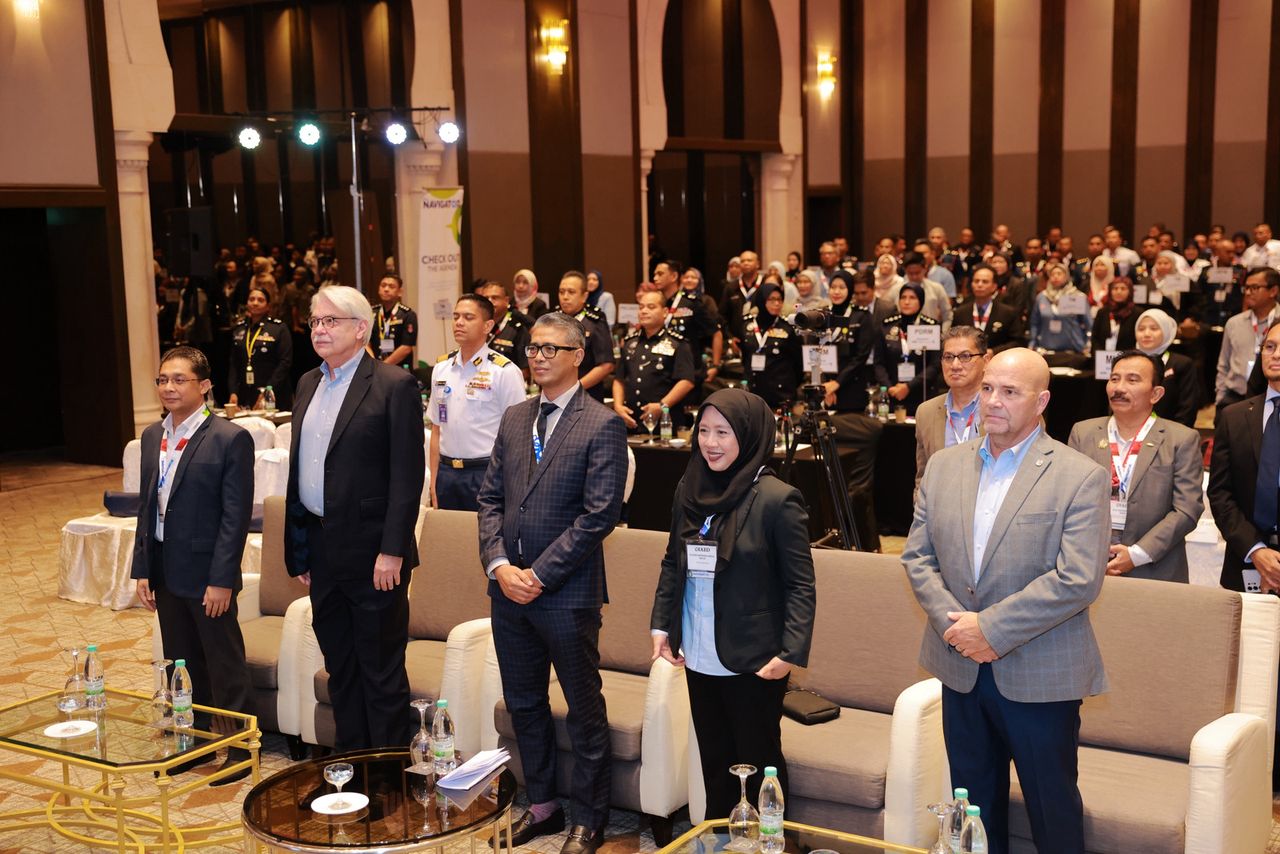
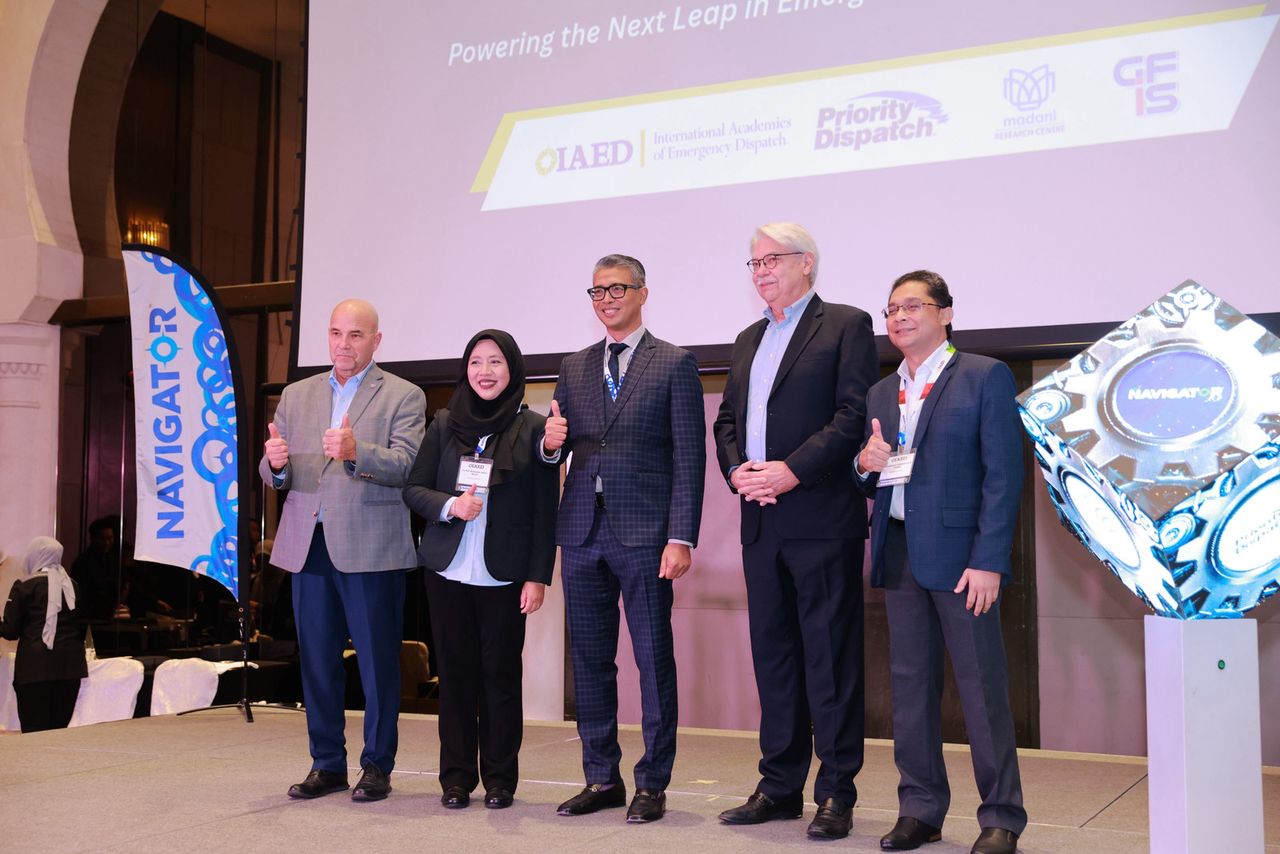
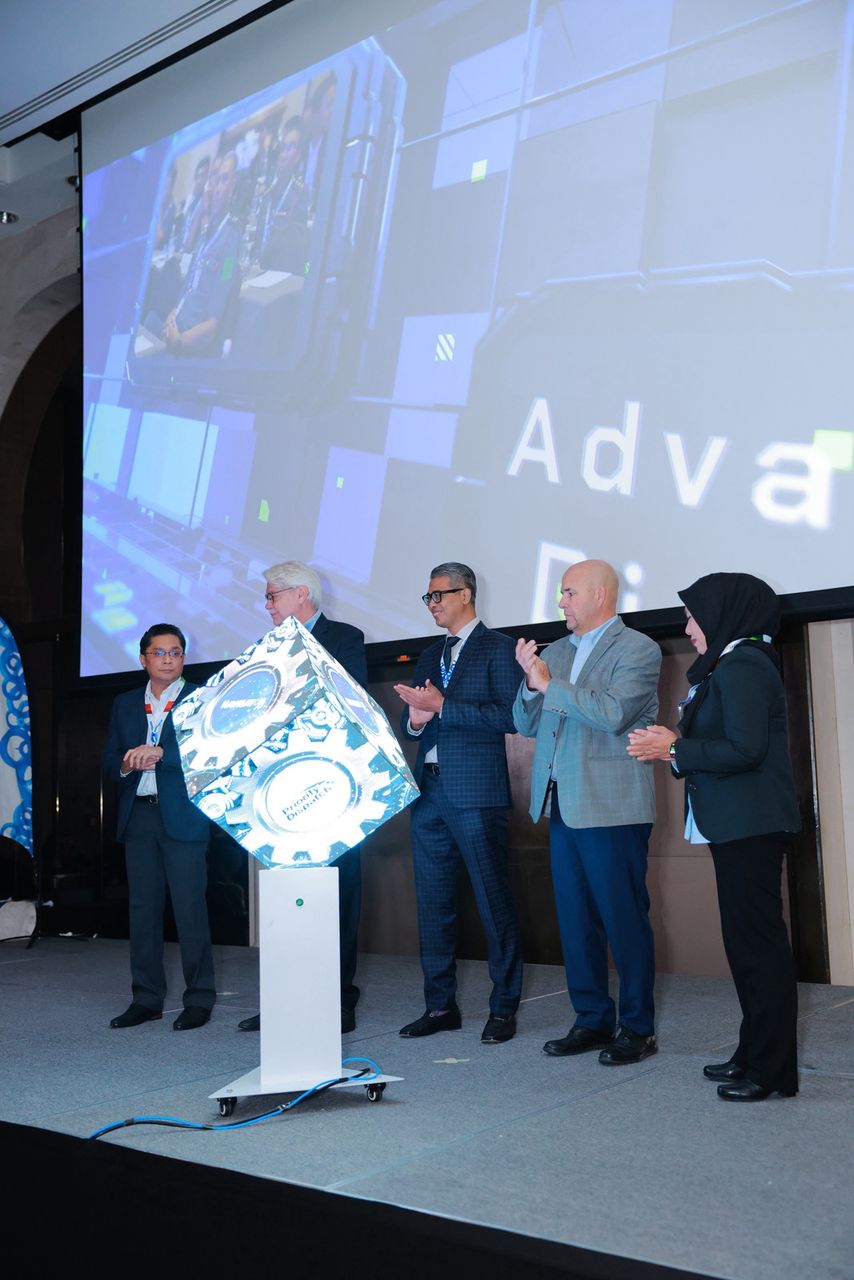
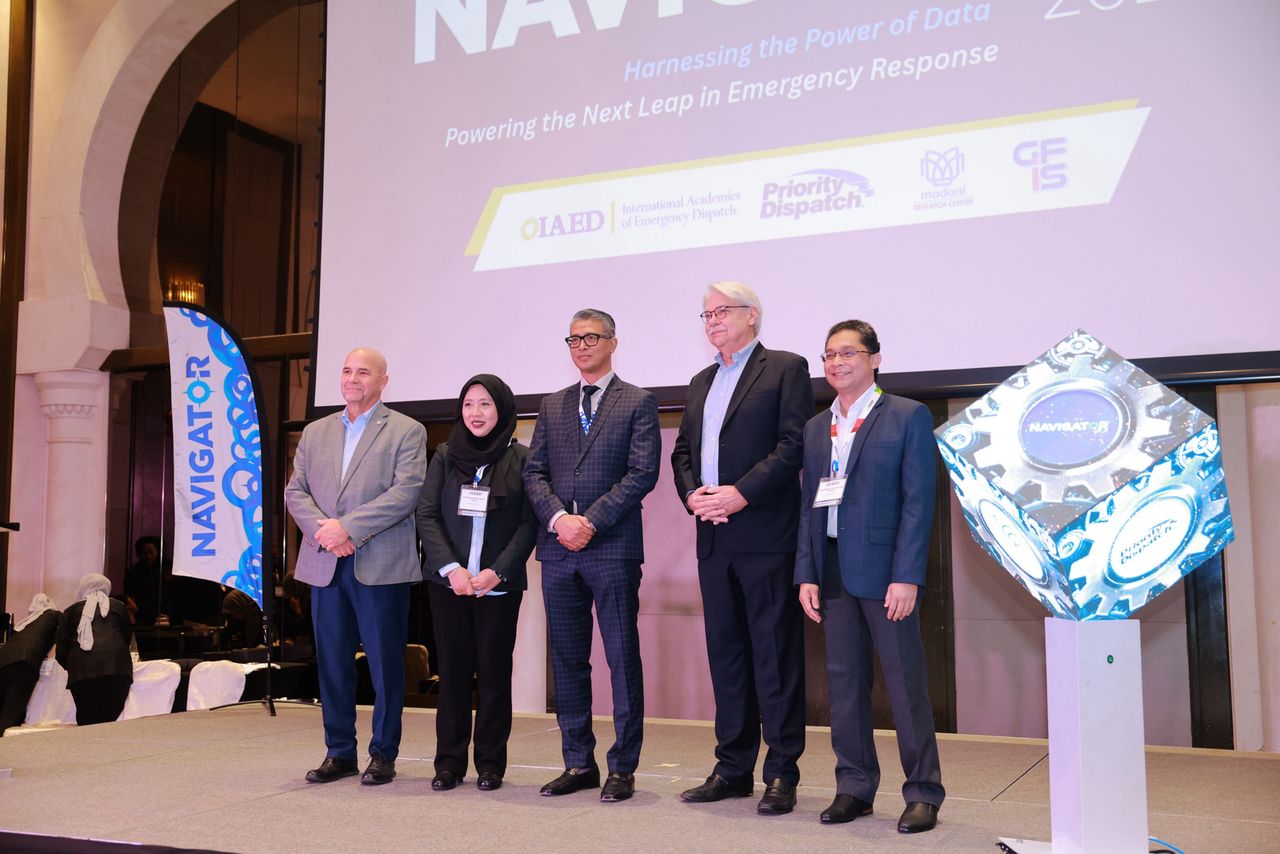
KUALA LUMPUR, 4th February 2026 – Asia Navigator 2026 gathered a total of 200 participants and 15 notable speakers from around the world, in a two-day conference from 4th to 5th February 2026 at Sheraton Imperial Hotel, Kuala Lumpur, starting today.

An annual event spearheaded by the International Academies of Emergency Dispatch (IAED), a non-profit organisation based in Salt Lake City, USA and co-organised with Priority Dispatch Corp (PDC), Madani Research Centre (MRC) and GFIS (M) Sdn. Bhd, the conference is well- known for its excellence in gathering prominent, global emergency professionals to attend sessions, network, and share experiences on the advancement of the industry.

Local emergency services agencies such as the Ministry of Health (Kementerian Kesihatan Malaysia), Royal Malaysian Police (Polis Diraja Malaysia), Fire and Rescue Department of Malaysia (Jabatan Bomba dan Penyelamat Malaysia), Malaysia Civil Defence Force (Angkatan Pertahanan Awam Malaysia) and Malaysian Maritime Enforcement Agency (Agensi Penguatkuasaan Maritim Malaysia) are among the pioneer agencies that fall under the umbrella of Malaysia’s emergency scene.

As mentioned by Tuan Mohd Azmi Mat Nayan, CEO of Madani Research Centre (MRC), 

“Asia Navigator 2026 unites a dynamic community of experts, practitioners, and thought leaders from across the globe. This convergence of knowledge and experience fosters insightful discussions, facilitates the exchange of ideas, and drives the creation of solutions to meet the ever-evolving challenges and opportunities in our respective fields. As we navigate this journey of learning and discovery together, let us embrace this platform to forge meaningful connections, spark innovative thinking, and reaffirm our dedication to delivering the highest standards of emergency response and care.”

The Asia Navigator 2026 conference serves as a platform to delve into the dynamic landscape of emergency response systems, with a particular focus on the evolution of the Malaysia Emergency Response System 999 since its inception in 2012. This conference provides a unique opportunity for industry experts, policymakers, and stakeholders to explore the transformative journey of the system and its impact on enhancing public safety and national mission critical projects.

Throughout the years, the emergency system has undergone a notable evolution, adapting to the ever-changing landscape of technology and emergency response requirements. Participants at the conference are able to explore the various phases of this evolution, from the incorporation of cutting-edge technologies to the development and integration of multiple products and services.

Moreover, the conference will highlight the recent milestone achieved by the Malaysian emergency system, and their aspirations to digitalise the system through various technological advancements and solutions. The notable speakers will also highlight the pivotal role of emergency response services, and address the challenges presented by the unpredictable nature of emergencies in today’s digital landscape.

The Asia Navigator 2026 conference will serve as a platform for exchanging ideas, best practices, and lessons learned from the evolution of Malaysian emergency system. By fostering discussions among experts and stakeholders, the conference aims to inspire further advancements in emergency response systems across the region, ultimately contributing to the enhancement of public safety and national security.

In addition to engaging in discussions and forums addressing relevant issues, participants are welcomed to explore the exhibit booths established during the conference. This provides participants with the opportunity to firsthand experience the latest developments and solutions for police, fire, medical, and nurse triage dispatch, along with other interconnected systems
The Role of Data in Strengthening Community Preparedness and Resilience

by Dr. Haji Norhafifi Haji Ismail – Dean, School of Leadership and Resilience Enforcement, Leadership and Management University (ELMU)

This session examines the pivotal role of data in transitioning emergency management from reactive intervention to anticipatory risk mitigation. It highlights how granular analytics can bridge  the  gap  between  high-level  policy  and  localized  community  needs, thereby facilitating equitable resource allocation for vulnerable populations. Ultimately, the presentation argues that integrating accessible information systems is a fundamental prerequisite for establishing resilience frameworks that are both structurally robust and socially inclusive.

Navigating the Evolution and Transformation of the Nation Emergency Response Services

by Mazmalek Mohamad – Former Project Director, MERS999

This session will discuss the transformation of the Malaysian Emergency Response System (ERS), from the old, manual, and service-segregated emergency numbers to the nationwide consolidated emergency number (999), with the adoption of technology, tools, and Emergency Medical Dispatch (EMD) and Emergency Fire Dispatch (EFD) protocols, up to this day where all the combinations, including policies and work processes, are highly adaptable to changes. MERS 999 has undergone rapid digital transformation without compromising Malaysian business processes, policies, and culture, as well as digitalization guidelines, compliance requirements, and public personnel data protection.

Mentoring Leaders for Low Stress

Centers by Mike Taigman – FirstWatch

Our fast-paced, high-pressure, understaffed world has enough stress. Too often, telecommunication professionals point to leaders and supervisors as their primary source of stress. This interactive session will explore how effective mentoring of leaders can cultivate a culture that minimizes additional stress. You’ll learn practical coaching strategies to help leaders dial down their stress, activate their emotional intelligence, and use empathy and compassion to maintain performance while lowering stress. You will also explore the PIP Index to inventory your leadership style and how to use it while mentoring others.

Transforming 999: Malaysia’s Leap into Next-Gen Emergency Systems

by Dr. Khairul Nizam Hassan – Deputy Head of National Emergency Medicine Specialist, Hospital Putrajaya

Malaysia is revolutionizing emergency response with NG MERS 999, a next-generation system that delivers faster, smarter, and more connected care. By integrating digital technologies and multi-agency coordination, every 999 call becomes a rapid, life-saving action. This leap positions Malaysia as a regional leader in building resilient, people- centered emergency systems for Asia’s future.

Data-Driven Dispatch: Using Protocol 29 Analytics to Optimize EMS Response and Resource Allocation

by Sheue Fen Ong – Kementerian Kesihatan Malaysia

Dispatch data tells a story—one that can save lives if we learn to read it. In this session, Dr. Ong Sheue Fen, Medical Director of the Medical Emergency Coordination Center (MECC) Kedah, Malaysia, shares how her team transformed Protocol 29 (Traffic/Transportation Incidents) data into actionable intelligence to improve ambulance deployment and inter- agency coordination. Through retrospective spatial and temporal analysis of emergency calls tagged under Protocol 29, the MECC identified high-frequency accident hotspots and peak time trends across major highways and urban zones. By overlaying this information with PLUS Codes and response-time data, they uncovered system inefficiencies and developed a dynamic resource allocation framework—enabling smarter standby point placement, reduced response delays, and better coordination.

Rapid Response in Motion: Lessons from “Medic-On-The-Run” Operations in Major Marathons

by Mohd Faiz Faishal Kamaruddin – Kementerian Kesihatan Malaysia

This session explores the realities of medical response during major marathon events, focusing on the unique role of the Medic-on-the-Run. Using real on-scene cases, we highlight how rapid recognition, early intervention, coordinated communication, and AED accessibility dramatically influence runner survival. Participants will gain insights into operational challenges, system gaps, and evidence-based recommendations to strengthen medical readiness for future sporting events.

What’s New in MPDS v14 and ProQA

by Ross Rutschman – Senior International Program Administrator Priority Dispatch Corp.

As v14 begins to roll out in Malaysia, this session will give some of the highlights about what has changed in the MPDS and why.

Analogue Strength in a Digital World: Human Resilience for 999 Continuity

by Winnie Markus and Noor Fazlyante Husain – MECC Ampang, Ministry of Health

This presentation highlights the vital role of human resilience and adaptability during a temporary shutdown of the 999-call system for essential maintenance. Without digital support, operators transitioned to a manual call-handling process, using MPDS cardsets to assess case severity and prioritize ambulance dispatch. Despite the lack of automated tools, operations remained seamless, ensuring continuous service delivery and upholding national emergency care standards. The presentation also emphasizes the cost efficiency of simple, manual systems, showing that basic, affordable devices can maintain the speed, structure, and reliability of digital platforms. Ultimately, it underscores the importance of low-tech solutions as a safety net during technological disruptions, ensuring dependable emergency response.

Pan Borneo Ambulance Response in Trauma

by Chua Ah Meng – Ministry of Health (Hospital Miri)

The Pan Borneo Highway is a major initiative by the Malaysian government to improve connectivity between the main cities and towns in Sarawak and Sabah, with the aim of boosting economic growth in both states. The project was officially launched in 2015, and today most sections of the highway are already open to the public. However, the risk of road traffic accidents along this highway is high, often involving severe, high-impact collisions. This highlights the importance of ensuring the readiness and efficiency of ambulance response along the route. This study focuses on emergency ambulance response along the Pan Borneo Highway. The findings are expected to provide valuable data that can guide policy-making and support the allocation of resources by the State Health Authority to strengthen prehospital care services.

Implementing Alternative and Non-Transport Protocol Safety

by Assoc. Prof. Dr. Sarah Shaikh Abdul Karim – Associate Professor, Management and Science University (MSU)

This session focuses on protocols that allow emergency medical personnel to provide prehospital care without transporting patients to a hospital, emphasizing clinical decision- making, risk assessment, and patient-centered care. By safely implementing non-transport options, such as referral to community healthcare, on-scene treatment, or remote consultation, alternative  protocol  or  procedure  may  reduce  unnecessary  hospital  visits while maintaining patient safety. The success relies on structured guidelines, thorough documentation, and ongoing evaluation to ensure that alternative care pathways are effective and clinically appropriate.

Blueprint for Survival: Establishing a National Safety Performance Framework for Malaysian EMS

by Abdul Karim Mustafa – Medical Assistant (PPP), Emergency Medicine Department, Hospital Canselor Tuanku Mukhriz (HTCM)

In the high-stakes world of emergency dispatch and pre-hospital care (PHC), the industry standard has long been defined by a single metric: speed. The mantra “time is tissue” drives every decision, from the dispatch floor to the ambulance cockpit. However, an over-reliance on response time often obscures a critical vulnerability: the safety of the system itself. With data indicating a concerning rise in ambulance collisions and workplace hazards within Malaysia, the PHC sector faces a pivotal question: Are we sacrificing the safety of our responders and patients in the race against the clock?

The Impact of Perception of Safe Criteria and Safety Behavior Among Ferry Employees in Langkawi Island, Malaysia

by Leftenan Komander (M) Leftenan Komander Muhammad Azizol Azmi – Senior Assistant Director (Penolong Pengarah Kanan), Malaysia Maritime Enforcement Agency (MMEA)

This research is conducted to study the impact of perception of safety criteria and safety behaviour among ferry employees in Langkawi Island and to examine the relationship between the elements of safety criteria with safety behaviour.

A Life-Saving Connection: The Critical Role of Emergency Telecommunicators Following a Destructive Earthquake

by Ruel Kapunan – Managing Director, Pilipinas911 Emergency Services Inc.

In the aftermath of a destructive earthquake, Emergency Telecommunicators (ETC) played a crucial role in the response. Since telecommunication systems have improved and have become more resilient, it is possible for the injured and trapped victims to call, text, and message for help. As an Emergency Telecommunicator Instructor and a volunteer member of his city’s Urban Search and Rescue Task Force, Ruel will talk about ways that ETCs can be trained to function more effectively amidst this chaos. From gathering critical information useful to the Incident Management Team to providing life-saving instructions, the ETC can be the source of hope for those who are injured or trapped.

Community Emergency Alerts in Primary Healthcare: Klinik Kesihatan’s Experience with PTA

by Dr. Hadzlinda Zainal and Mr. Abdul Masri Sarif – Hulu Langat District Health Office

This topic highlights the critical importance of efficiency among on-call officers; whether it is medical assistants or nurses at local Klinik Kesihatan in ensuring continuous and high-quality care for the public outside normal operating hours, including nights, weekends, and public holidays. With the implementation of the Push-to-Alert (PTA) system, patients seeking urgent assistance are able to quickly connect with on-call officers, ensuring timely access to necessary services without unnecessary delays. The system significantly reduces response time between patients and healthcare personnel, while also supporting higher management through structured data collection on staff efficiency, improved monitoring of on-call performance, and a more robust reporting framework for informed decision-making and overall service improvement

Critical DLS Instructions in FPDS v8

by Ross Rutschman – Senior International Program Administrator Priority Dispatch Corp.

This session will discuss high risk EFD situations and scenarios and the new DLS sequences available in FPDS v8.

Hot off the press

From Penang to the boardrooms of Kuala Lumpur, Datin Zaharah Abdul Muttalib has built a banking career rooted in integrity, tenacity, and purpose. As head of Bank Islam’s Wealth Management Division, she’s combined financial expertise with a vision for empowerment – championing ethical investing, client-centred service, and the rise of women leaders in finance.

In our Sept/Oct 2025 issue, MillionaireAsia traces her journey from a determined young banker taking her first bold steps into the capital to a trailblazer shaping Malaysia’s financial landscape.

We also continue our mission to spotlight the women shaping Southeast Asia’s future – with stories, programmes, and partnerships designed to empower, inspire, and ignite change.


Related News