
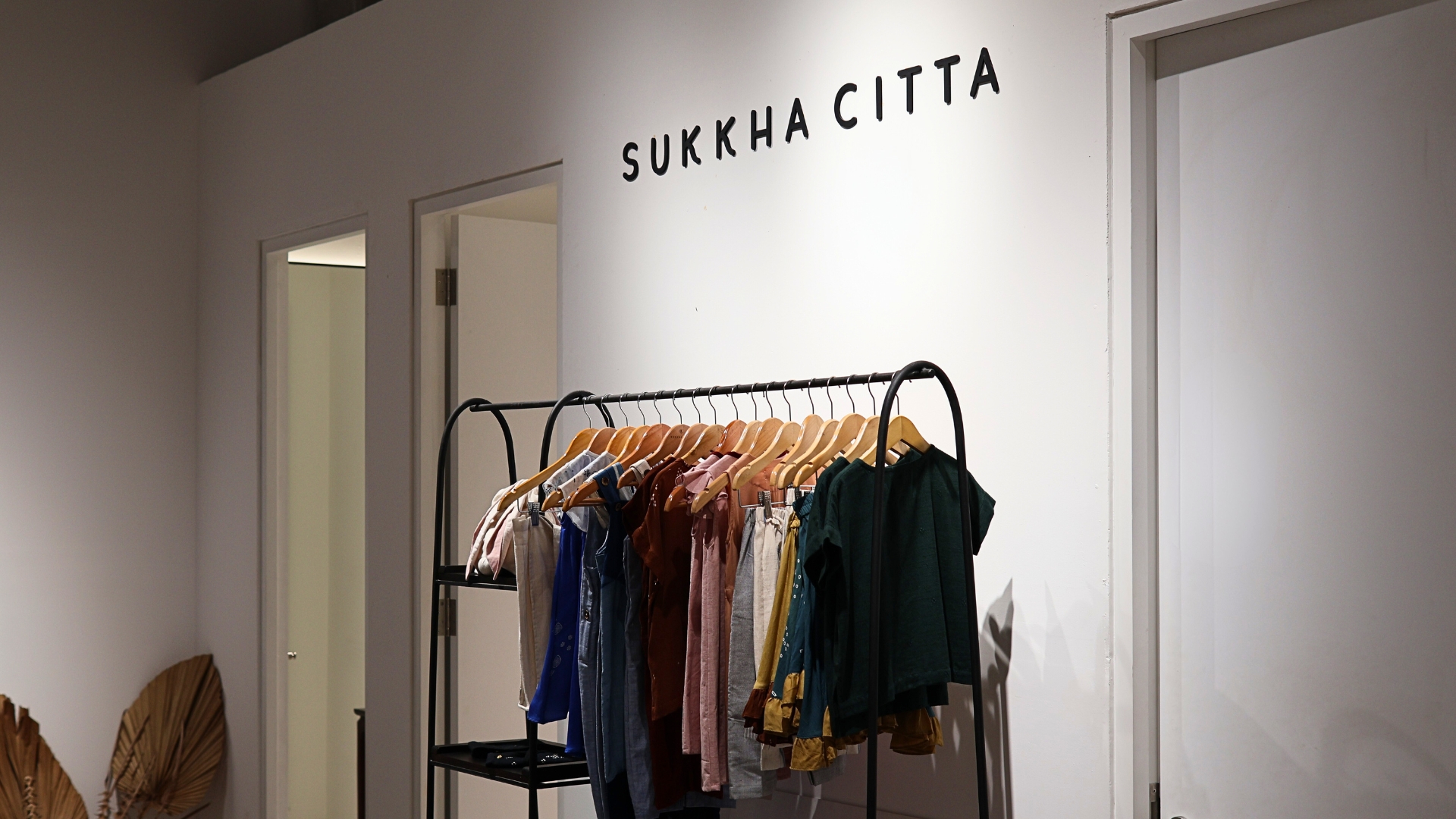
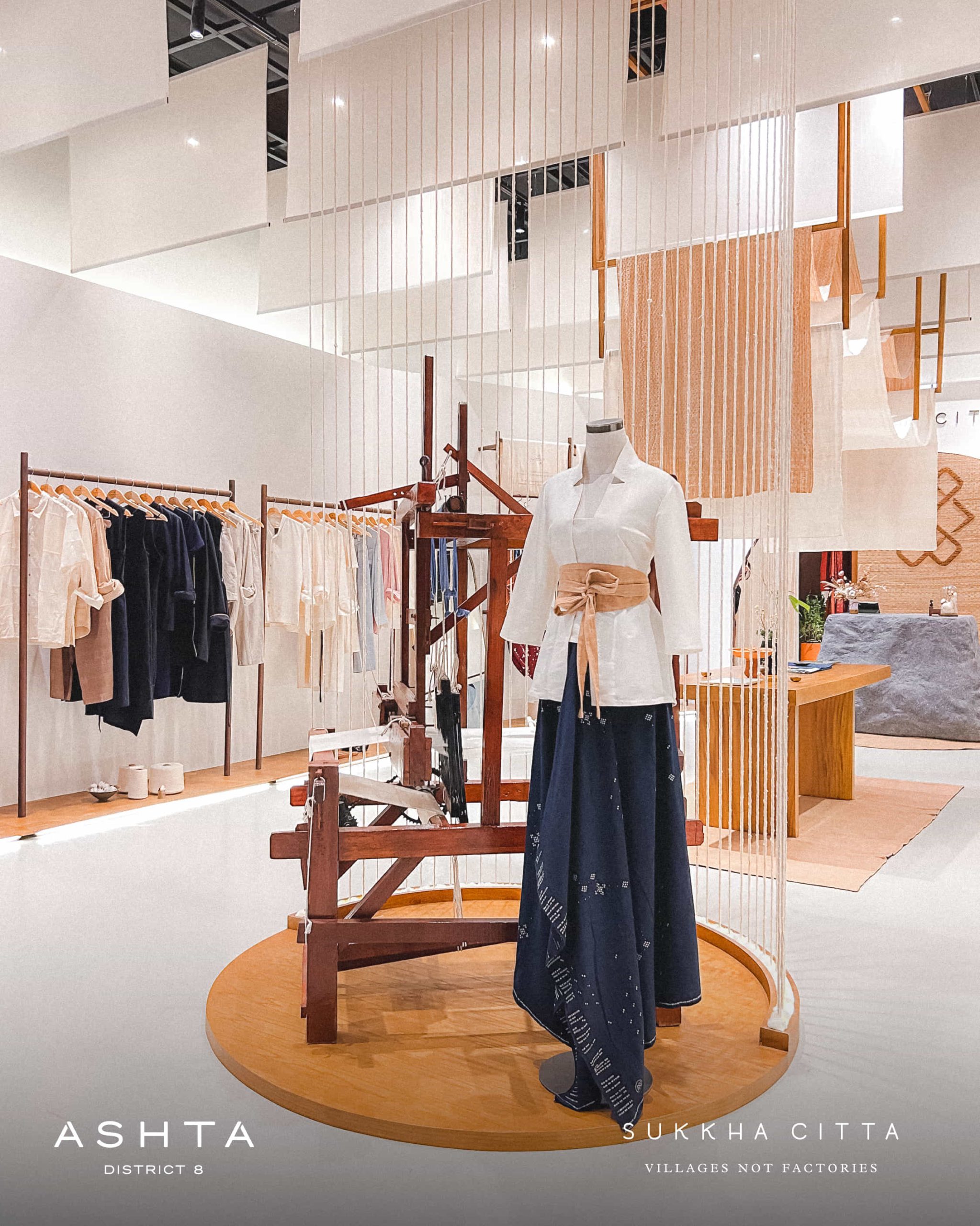
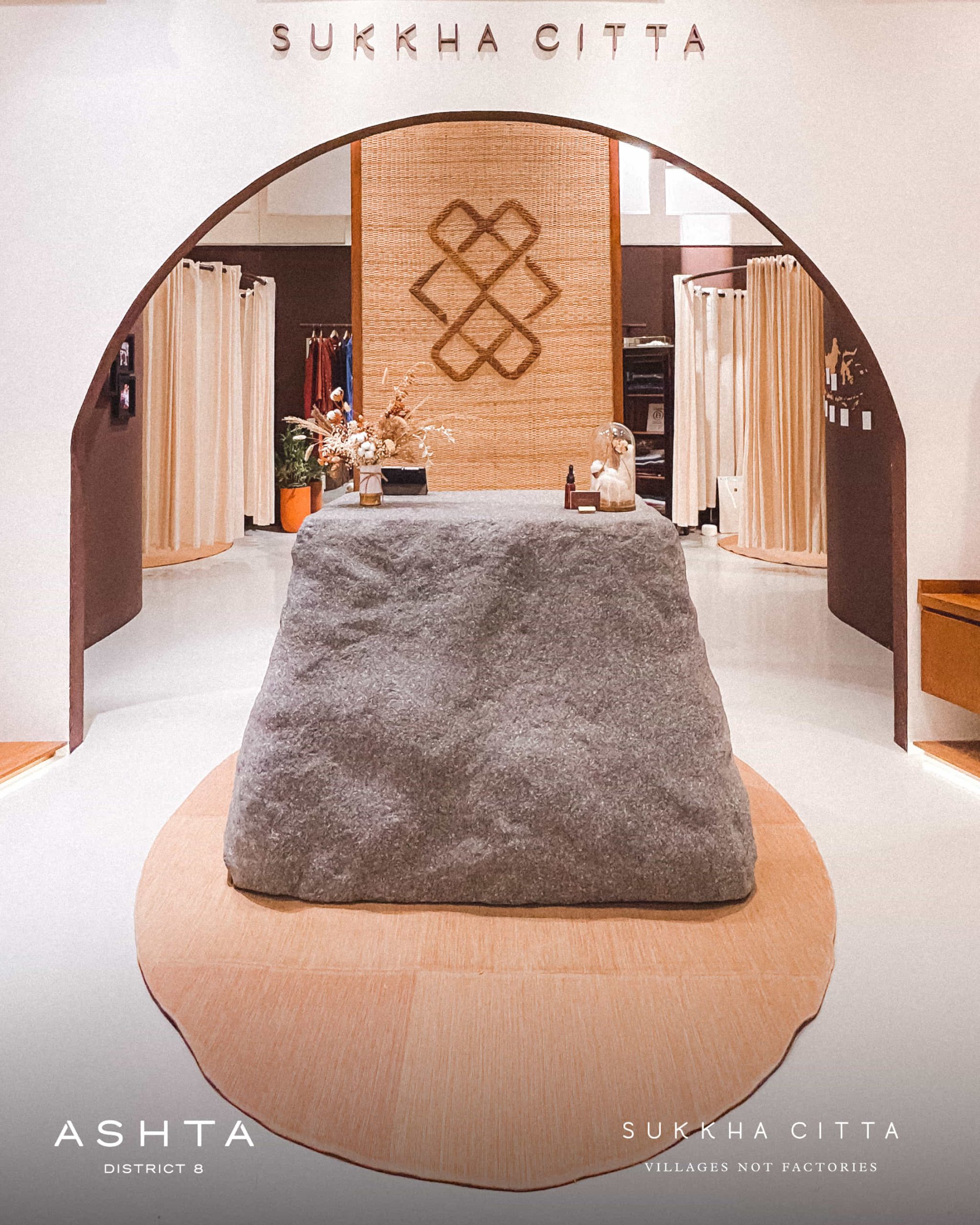
Tucked among artisanal bakeries and luxury coffee bars in Jakarta’s upscale Ashta District 8, Sukkhacitta’s flagship boutique doesn’t scream for attention – and it doesn’t need to.
Its quiet, confident sense of purpose is clear to see.
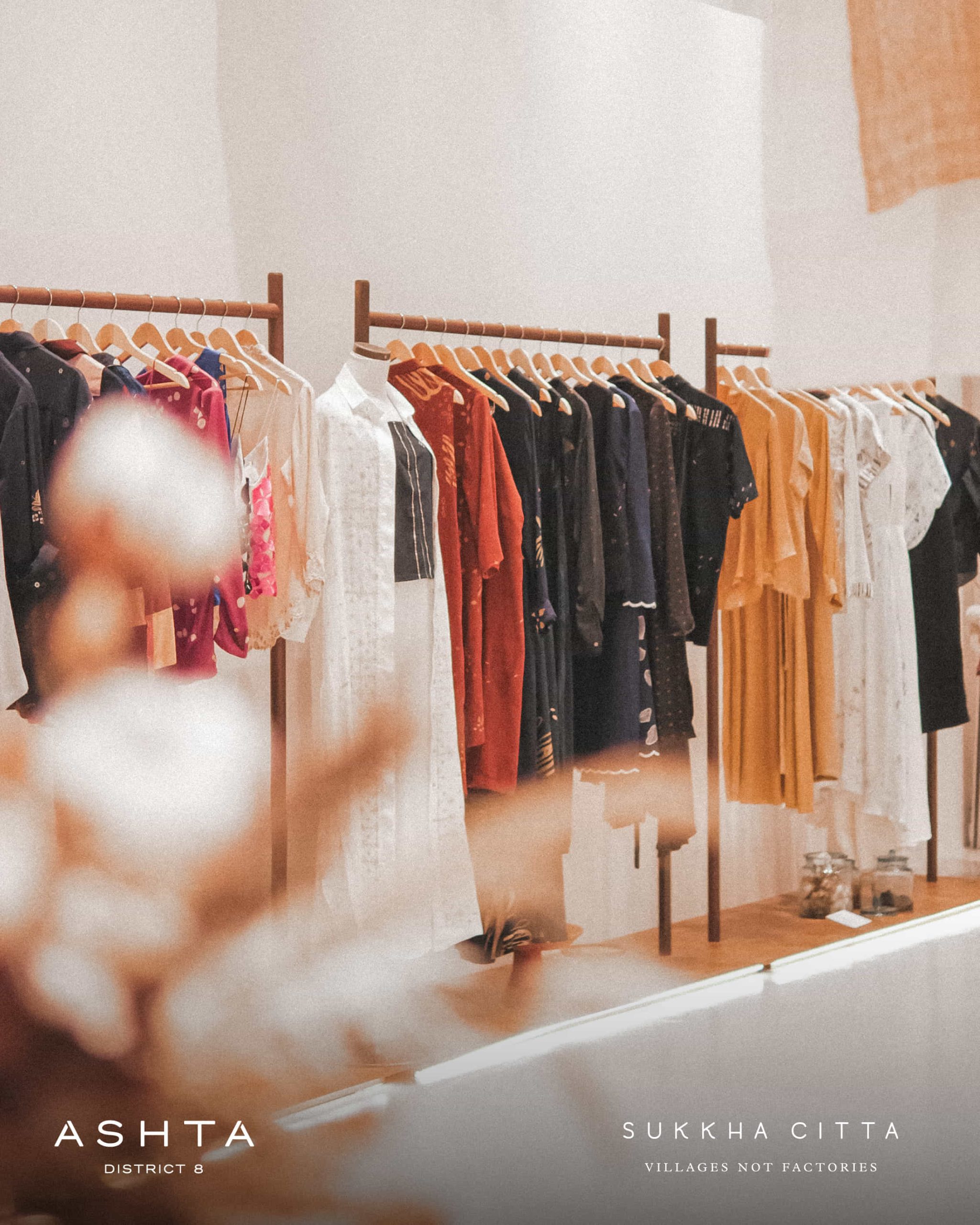
The boutique is modest in size, softly lit, and curated like a gallery, an oasis of calm that invites you to browse, feel, and experience the clothing on display.
Here, you won’t find crowds spilling out of the doors, but behind the scenes, the team is in overdrive.
“Now we have backlogs of preorders that we have to fulfill!” the brand’s spirited creative director, Anastasia Setiobudi, tells MillionaireAsia.
Her sharp eye for silhouettes and quiet luxury has helped shape Sukkhacitta’s signature look – sophisticated, textural, and resolutely Indonesian.
The brand’s popularity recently soared when actress Sheila Dara wore one of their pleated dresses for nearly the length of the film Sore, Indonesia’s time-travel romance hit. Sukkhachitta’s coveted Sore collection, which debuted in July after the film debuted has consistently sold out despite number of restocks.
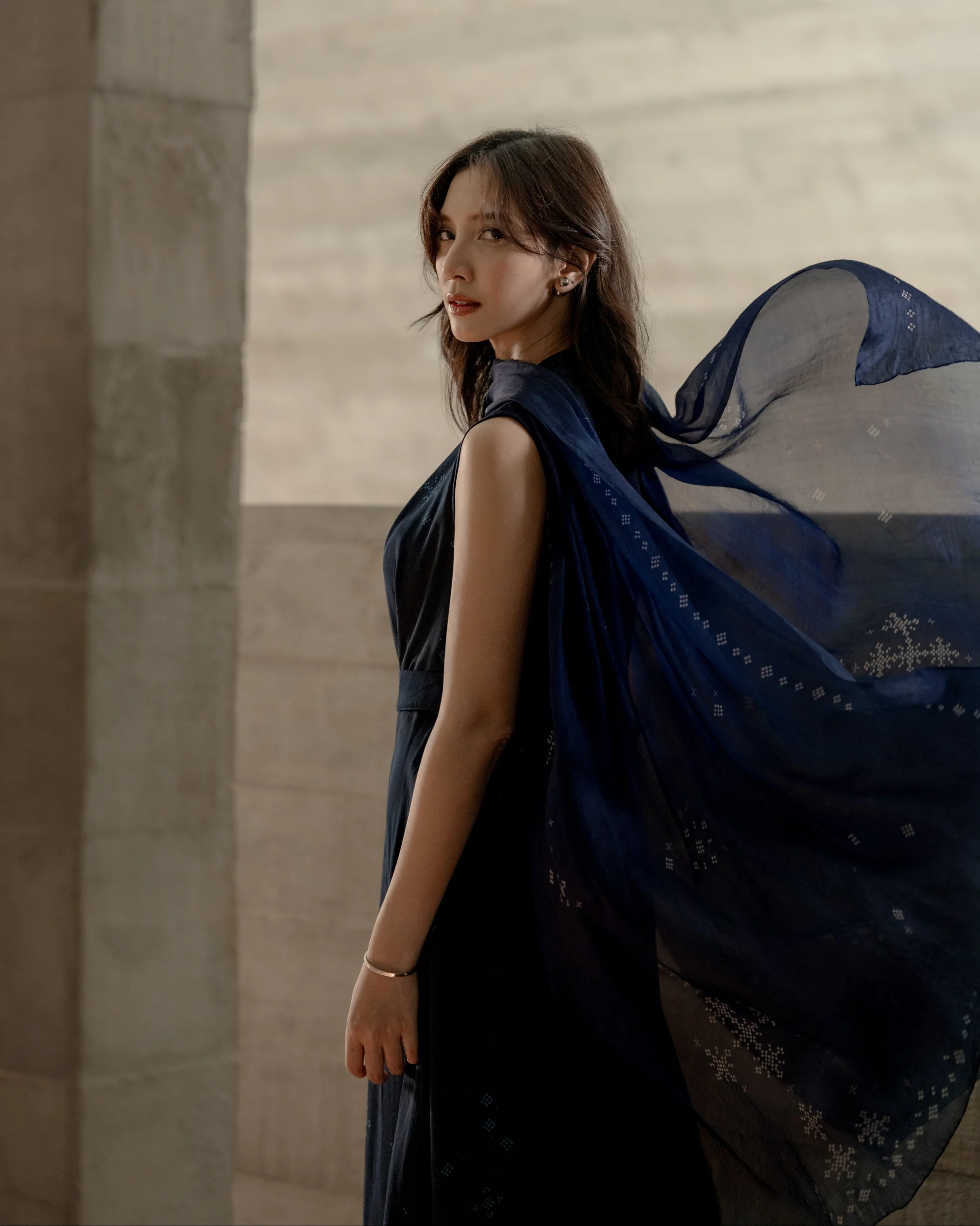
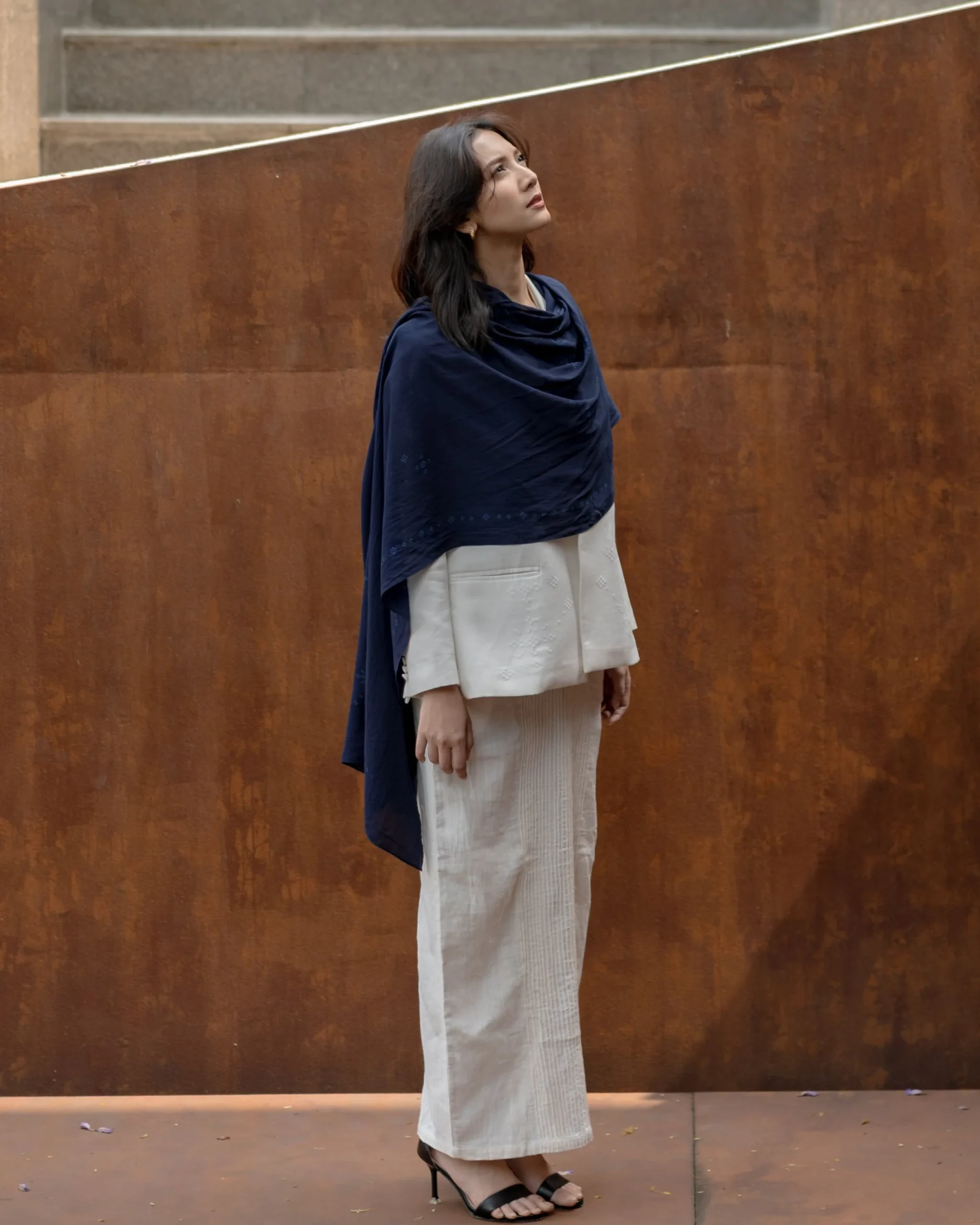
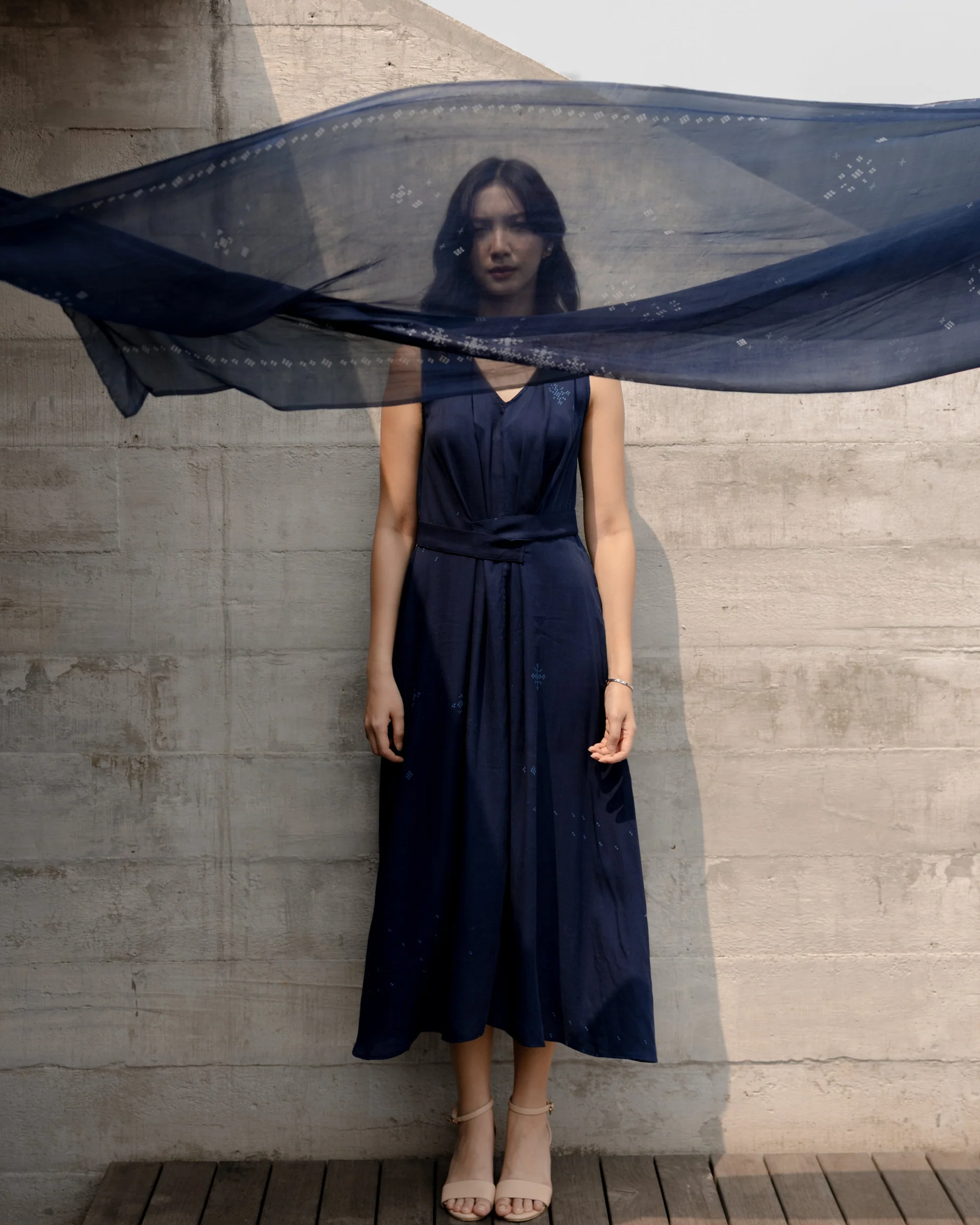
Ana, as she is affectionately known, knows the brand’s clientele well: urban professionals – young and established – who are drawn at first to Sukkhacitta’s aesthetics, and then fall deeper in love with the brand after learning about its sustainability story.
As a major player in the global garment and textile industry, Indonesia leans heavily on a sector that contributes around 6 per cent to its GDP.
Yet, according to 2023 data from the Ministry of Environment and Forestry, the same industry is responsible for nearly 3 per cent of the country’s total waste –equivalent to roughly two tons of textile waste.
Sukkhachitta’s philosophy threads sustainability into every design without compromising on style.
The brand wants people to come for the beauty, then stay for the impact.
“We don’t want to be just another social enterprise,” says Ana.
Farm-to-closet, made with love
Sukkhacitta – meaning “happiness” in Sanskrit – doesn’t shy away from premium pricing.
Their Angkasa pleated dress sells for IDR 3.9 million (around USD 240), while the intricately crafted Sinar Beskap, a modern interpretation of the formal Javanese suit, is priced at IDR 12.9 million (roughly USD 797).
A bold ask in a country where that figure exceeds the monthly minimum wage in many regions – but one that’s firmly backed by intention.
“We want to actually convey to people that there’s a reason behind the high price,” Ana explains.
Each piece takes months – sometimes half a year – to produce. It’s a painstaking process wrought with love and attention by local producers and artisans whose hard work and craft Sukkhachitta hopes not just to shine the light on but to empower financially.
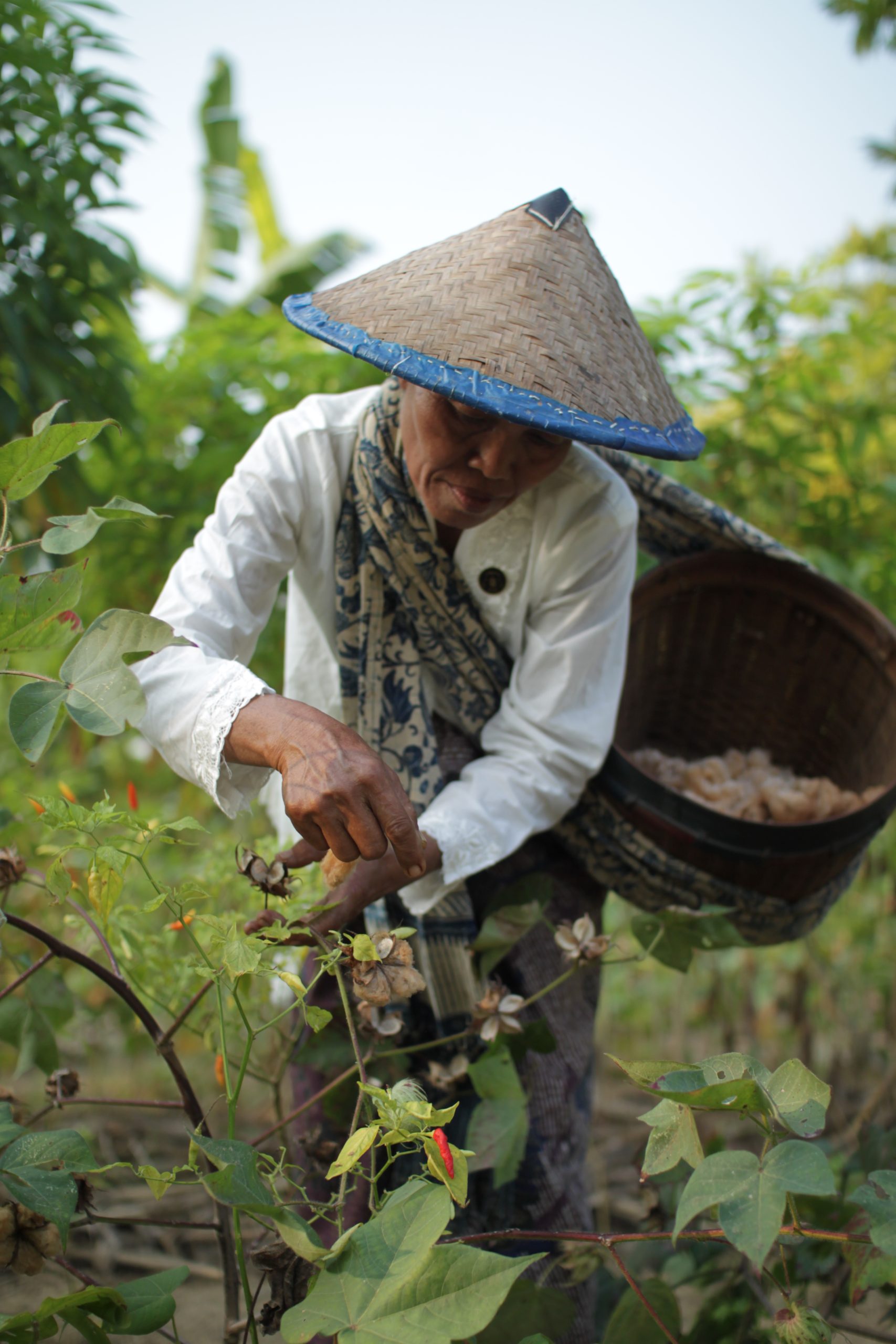
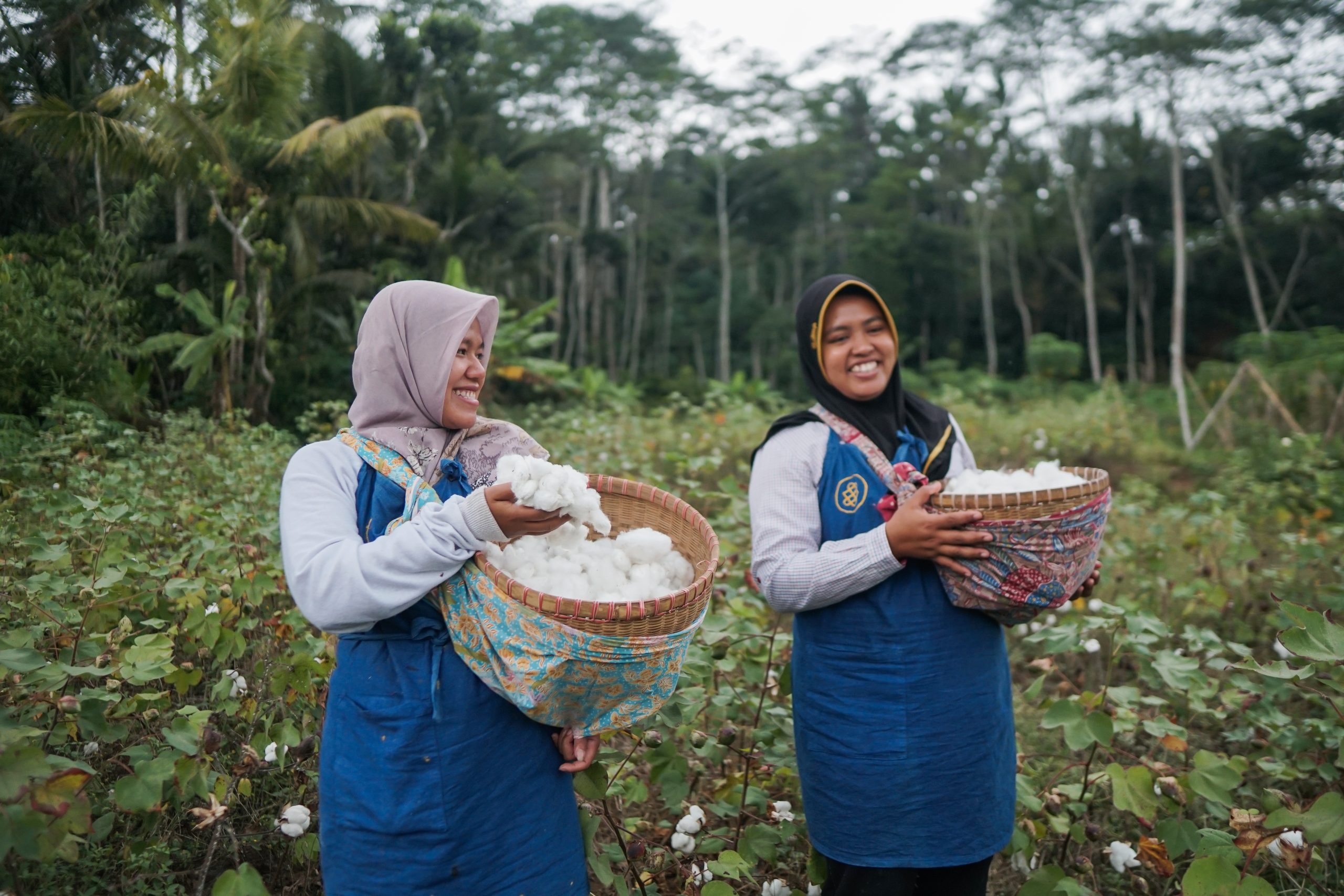
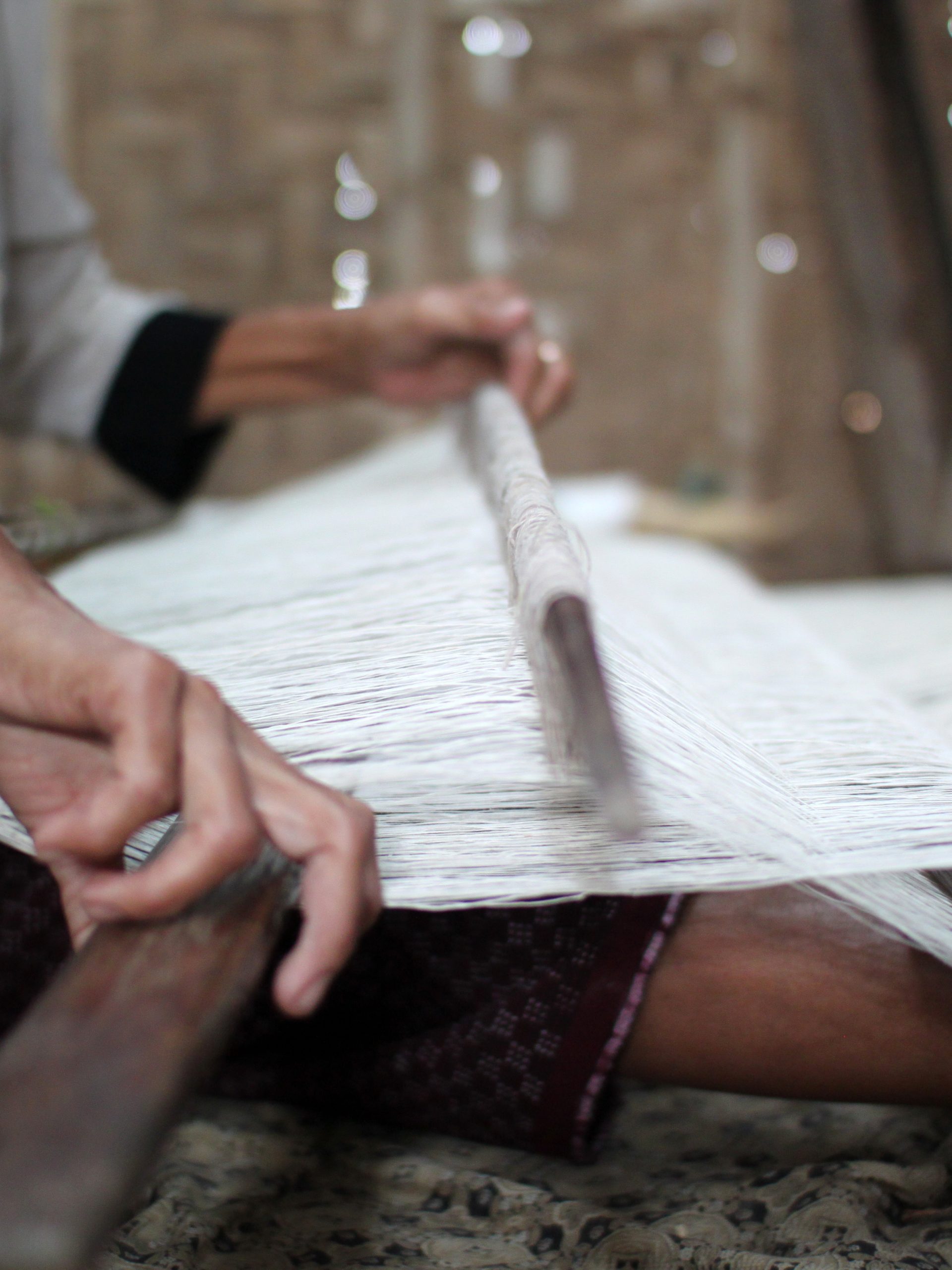
The brand’s ethos is farm-to-closet. Their kapas – cotton in Indonesian – collection follows a meticulous 180-day cycle, beginning with seeds sown in regenerative farms. Then comes the spinning, weaving and stitching.
Sukkhacitta applies tumpang sari, a centuries-old Indonesian method where crops like chilli and marigolds grow alongside cotton, creating a biodiverse mini-forest that strengthens the soil and eliminates the need for industrial fixatives. The chilli plants, for instance, act as a natural pesticide, while marigolds draw in pollinators.
“By doing that, it absorbs more carbon and actually makes the soil healthier,” Ana explains.
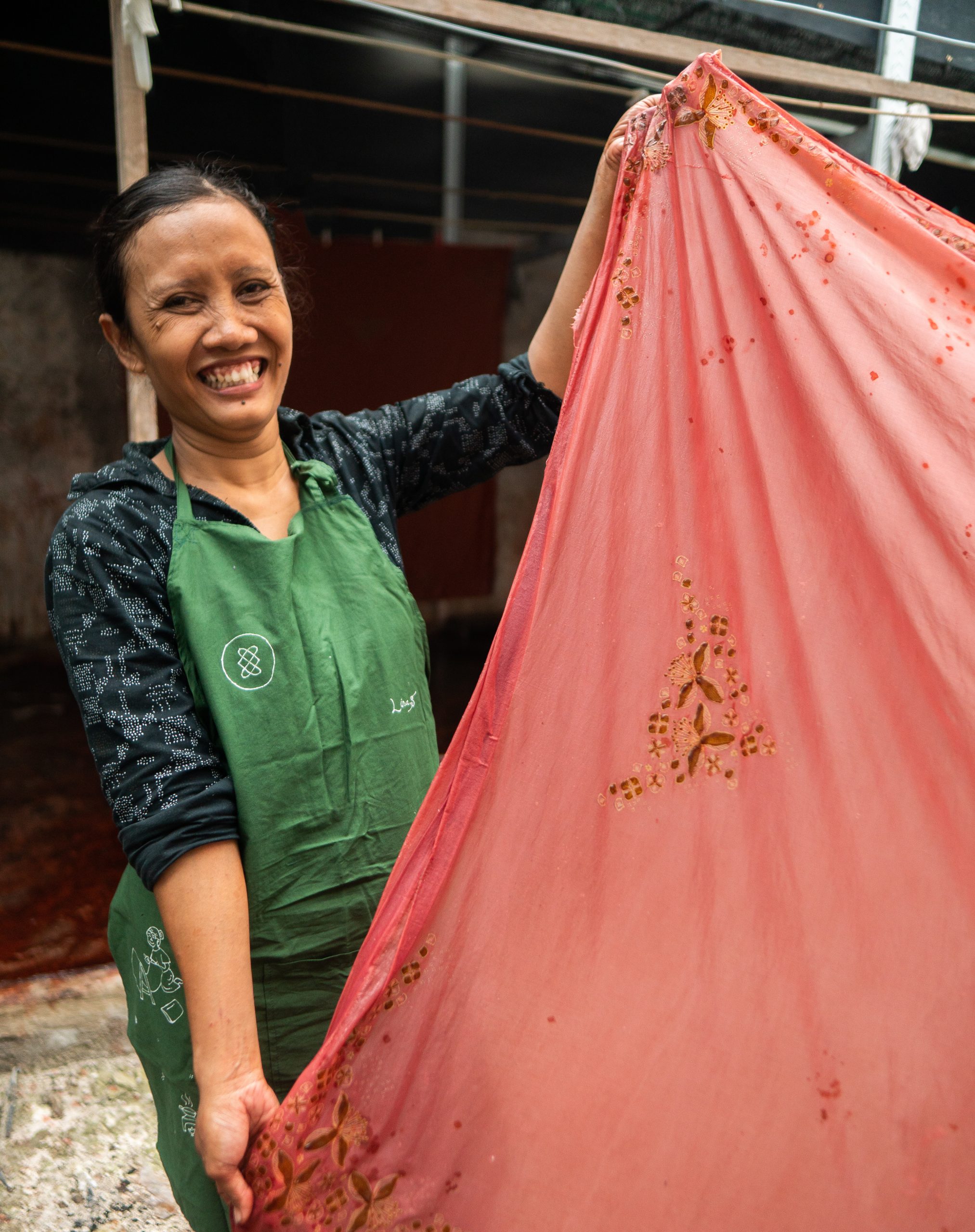
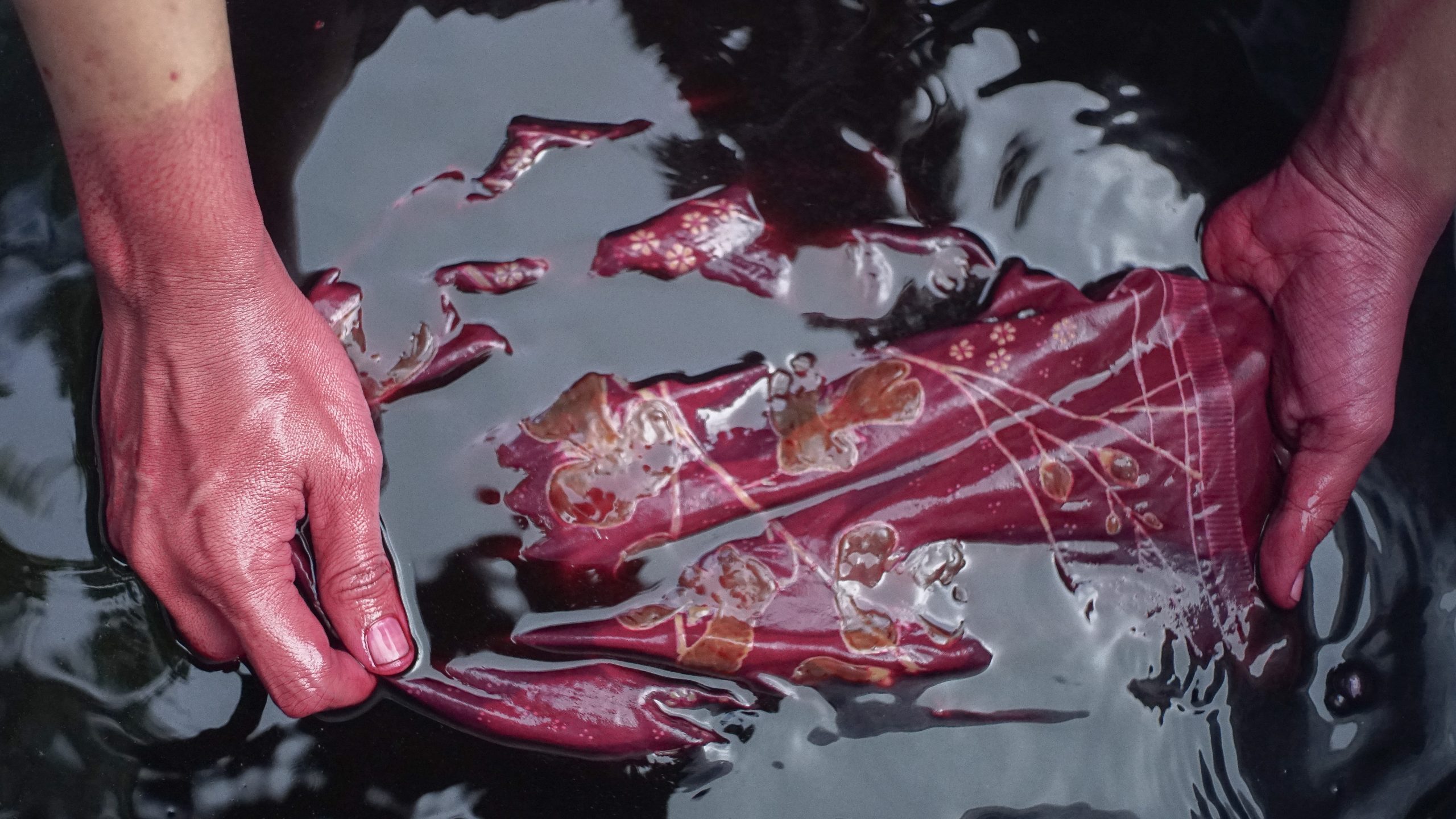
The same philosophy carries into their Sweet Indigo collection, where deep navy hues come from fermented assam indigo leaves – 20 kilograms per garment, dyed up to 30 times to achieve a rich, lasting colour, all of this done without synthetic chemicals.
Instead of using harsh fixatives, they opt for natural sugar – costlier but far gentler on the planet.
“That also adds to the price, of course,” Ana says, candidly.
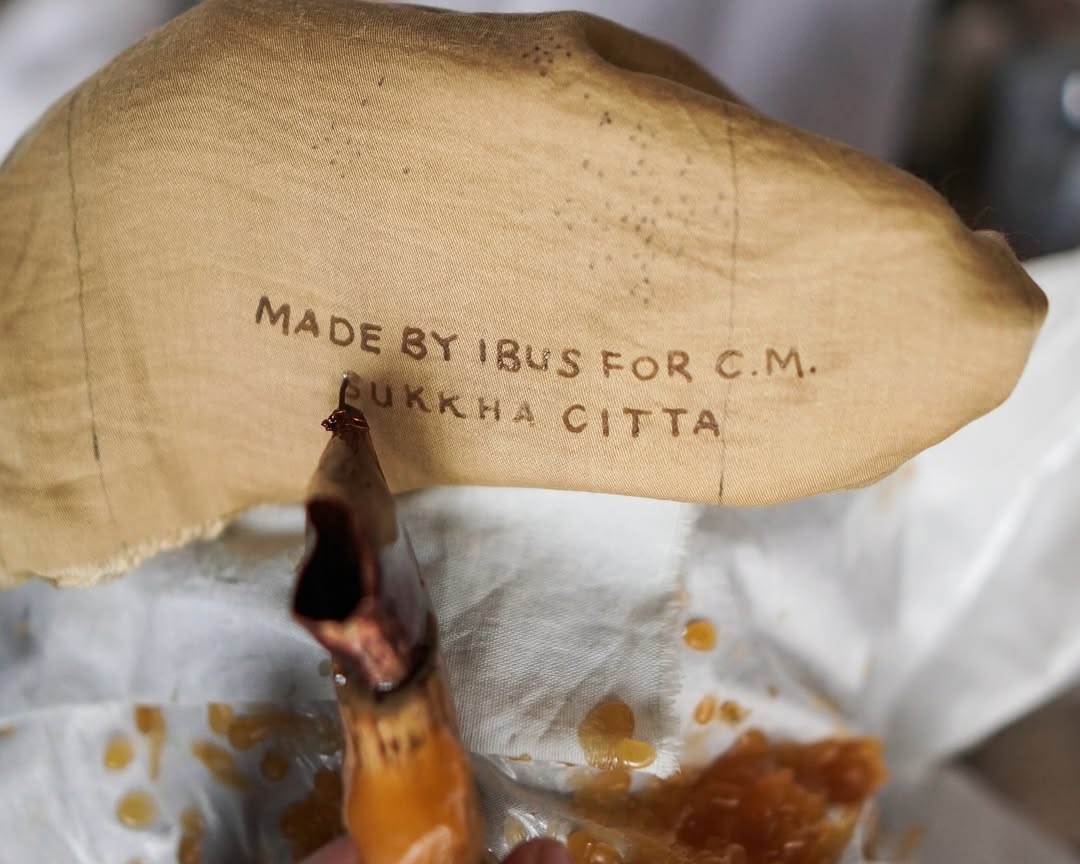
But what’s rare is also revered: customers can even send their garments back for a fresh dye job, lovingly handled by the ibus, Sukkhacitta’s network of 1,500 artisan women across Java, Bali, and Timor.
The ibus are more than just a step in the production chazin.
They’re the heart of the brand. Paid fairly, trained extensively, and working freelance, these women have full control over their schedules and creative output.
“We do make sure to tell them: ‘We want to receive the items by this date’. But there’s no supervisor breathing down their necks with a whip,” Ana says with a grin.
Through their Rumah Sukkhacitta program, artisans receive training not just in craftsmanship but also in entrepreneurship and sustainability, building a model that not just preserves traditions, but also uplifts lives.
Handcrafted products are not automatically sustainable. Market pressures for low prices often undervalue the labour behind them.
Sukkhacitta is pushing back – educating not only its consumers but its makers, ensuring they know the true worth of their work.
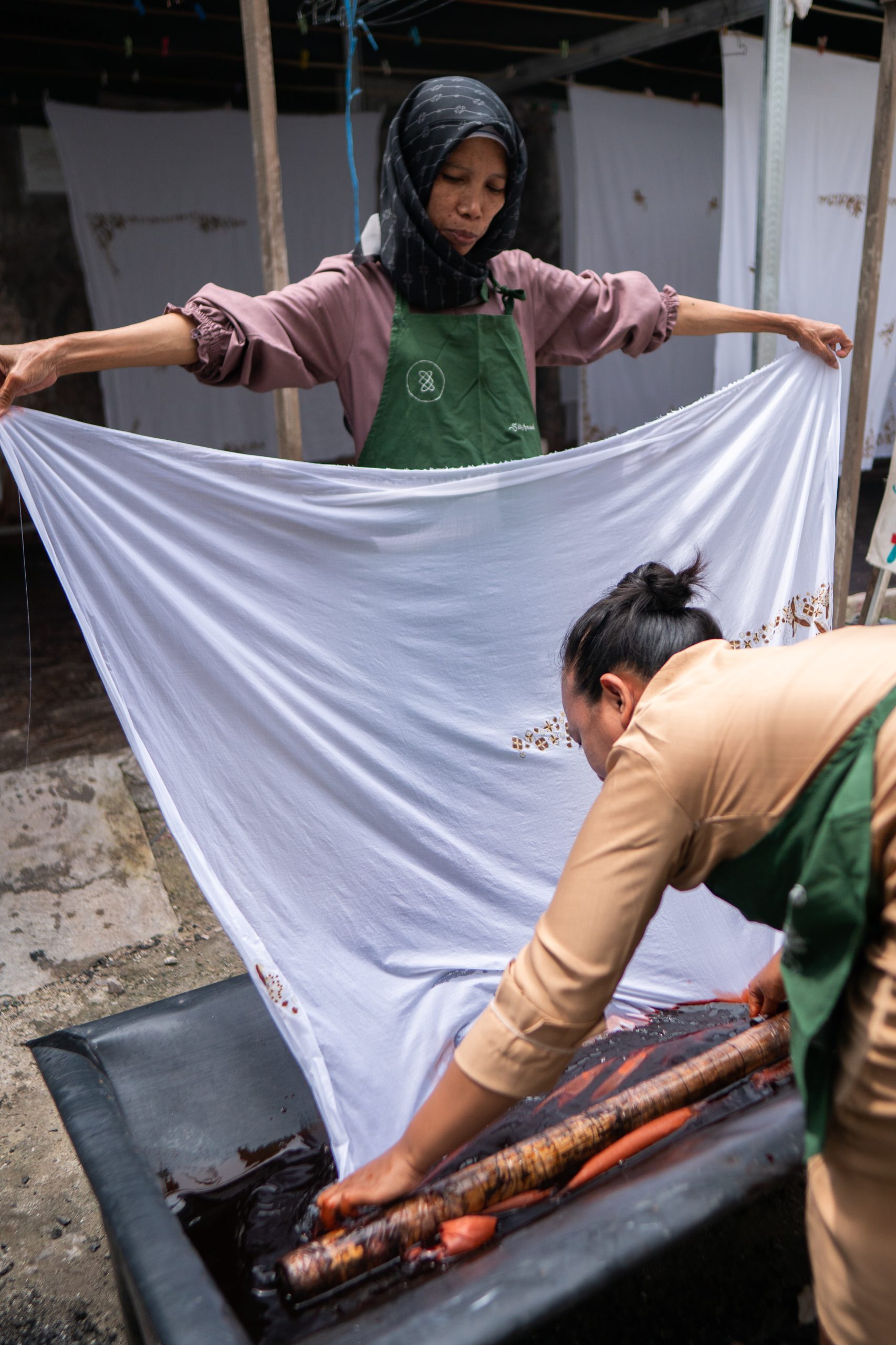
“From layers and layers of middlemen in this craft industry in Indonesia, some of these movements, they’re just invisible,” says Ana. “One of our big missions is to bring visibility to them, to actually connect people with them.”
Slow fashion goes global
Seven years after its founding in 2016, Sukkhacitta’s story made its way onto the global stage – landing as far away as New York City.
In 2021, the brand was named runner-up in the SEED Low Carbon Awards by the United Nations Development Programme (UNDP), a milestone that opened doors to international expansion.
By late 2023, its designs debuted at The Canvas in the World Trade Center, displayed alongside other purpose-driven fashion labels. And in 2024, their footprint expanded to Singapore through a presence at DORS, Design Orchard, where their Angkasa and Kapas collections quickly became bestsellers, priced at around SGD 300 (USD 230).
Breaking into new markets hasn’t been without its challenges. Sukkhachitta has had to learn to navigate new tastes and new priorities.
While American shoppers connected with the brand’s powerful storytelling, their preferences leaned toward handwoven styles over traditional batik motifs.
Singaporean customers, meanwhile, were more attuned to the cultural heritage batik represents.
And while Singapore’s tropical climate created a higher demand for Sukkhacitta’s more flowy and breathable pieces, New Yorkers preferred the brand’s louder motives, notes Ana, who represented Sukkhacitta during its first New York trip in 2024.
“The people in New York don't really like the flowy stuff. Our patchwork range is very much accepted there because I think it's unique, it's different. They like things that is more structured,” she says.
Beyond boutiques and film credits, Sukkhacitta’s pieces have caught the attention of international celebrities.
One of the most unexpected yet fitting moments came in 2024, when Coldplay frontman Chris Martin was spotted wearing the Angkasa Beskap – the brand’s most premium menswear piece –during the band’s tour in Indonesia. The match felt natural: Known for their commitment to sustainability, Coldplay’s ethos – the band has publicly pledged to cut their tour’s carbon footprint by 50 per cent – aligned perfectly with Sukkhacitta’s mission.
The collaboration was arranged through Warner Music, and while the team had hoped for a fitting, they opted instead to gift Martin the jacket.
“In May 2024, we found out he wore that jacket to an event and it was photographed. I thought, is this really happening? And it actually fits,” Ana recalls with a laugh.
Back home, the news was met with joyful disbelief by the ibus who were both proud and surprised.
“They were like” ‘I didn’t realise someone actually wore my creations’. It was such a humbling reaction,” says Ana.
Still, sheadmits most of the ibus didn’t quite grasp the magnitude of the moment.
“Some of them don’t even know who that is,” she adds jokingly.
A dress that travelled through time
Now, Sukkhacitta is riding a wave of a trend they also helped create.
Indonesia’s latest cinema sensation, Sore, features the brand’s wardrobe front and center.
The film, which hit the screens in July 2025, follows a woman named Sore, who travels through time to meet her future husband during his trip in Croatia. Through 90 per cent of the movie, the protagonist wears the same dress: a pleated piece from Sukkhacitta’s Angkasa collection.
The collaboration came naturally. Director Yandi Laurens had previously worked with Sukkhacitta on another project, and after seeing actress Sheila Dara in their designs, the partnership continued into Sore.
The film’s instant success – it drew over 3 million views and is now Indonesia’s official selection for the Oscars – catapulted the dress to icon status.
When the movie went viral, so did the dress.
“And now we have backlogs of pre-orders to fulfill,” says Ana.
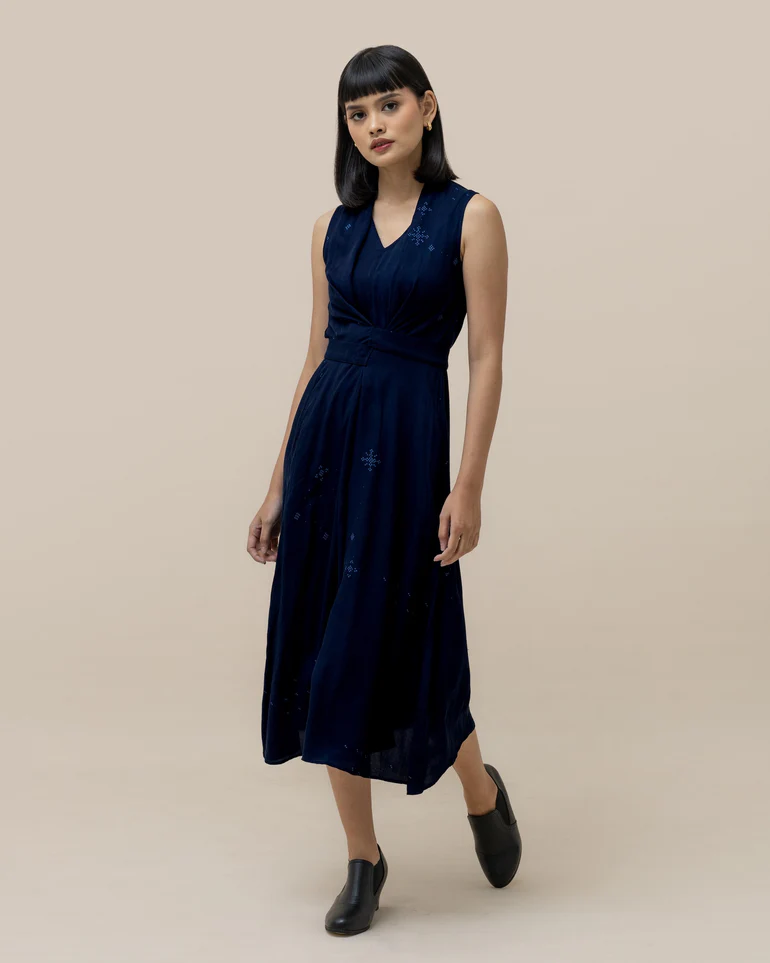
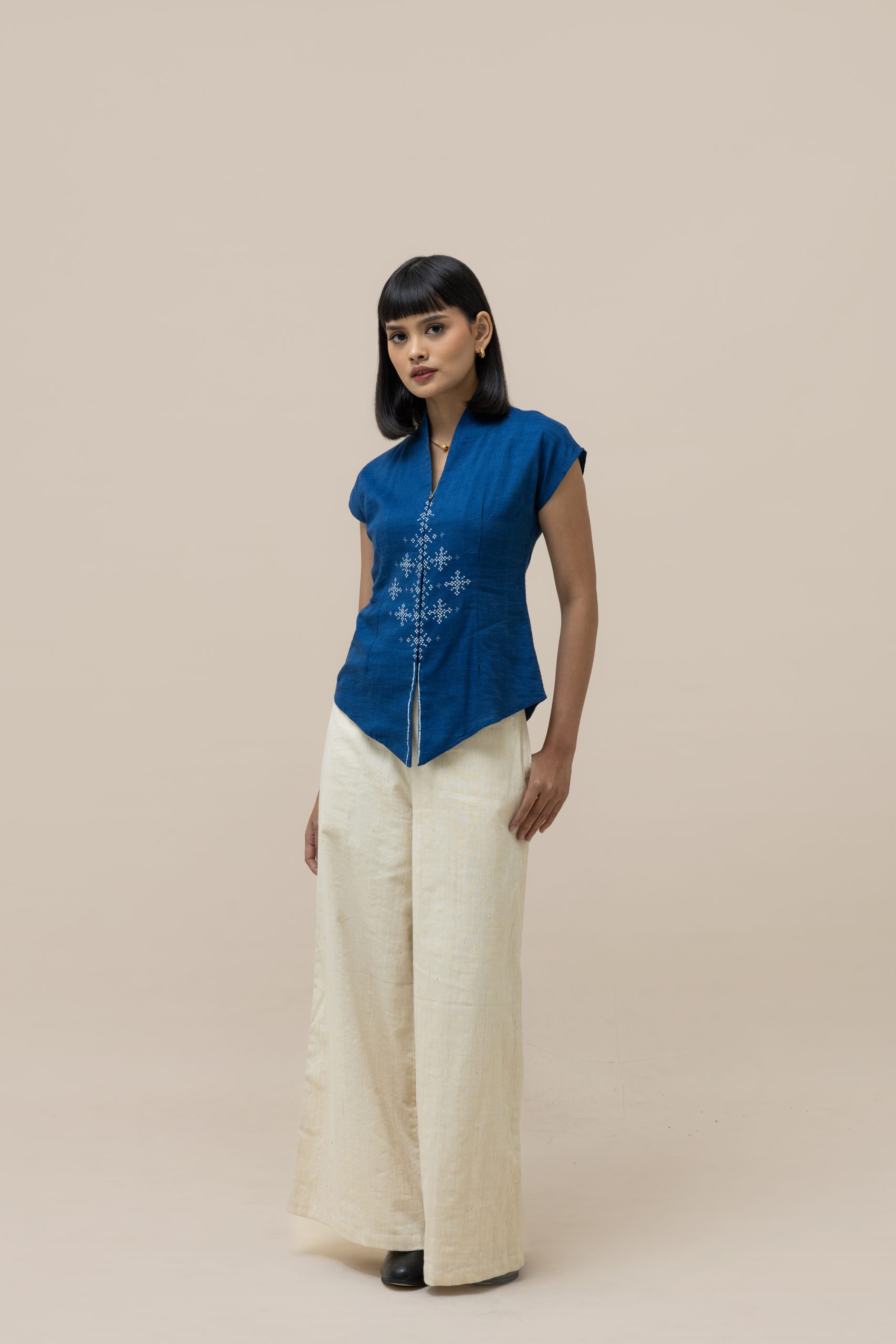
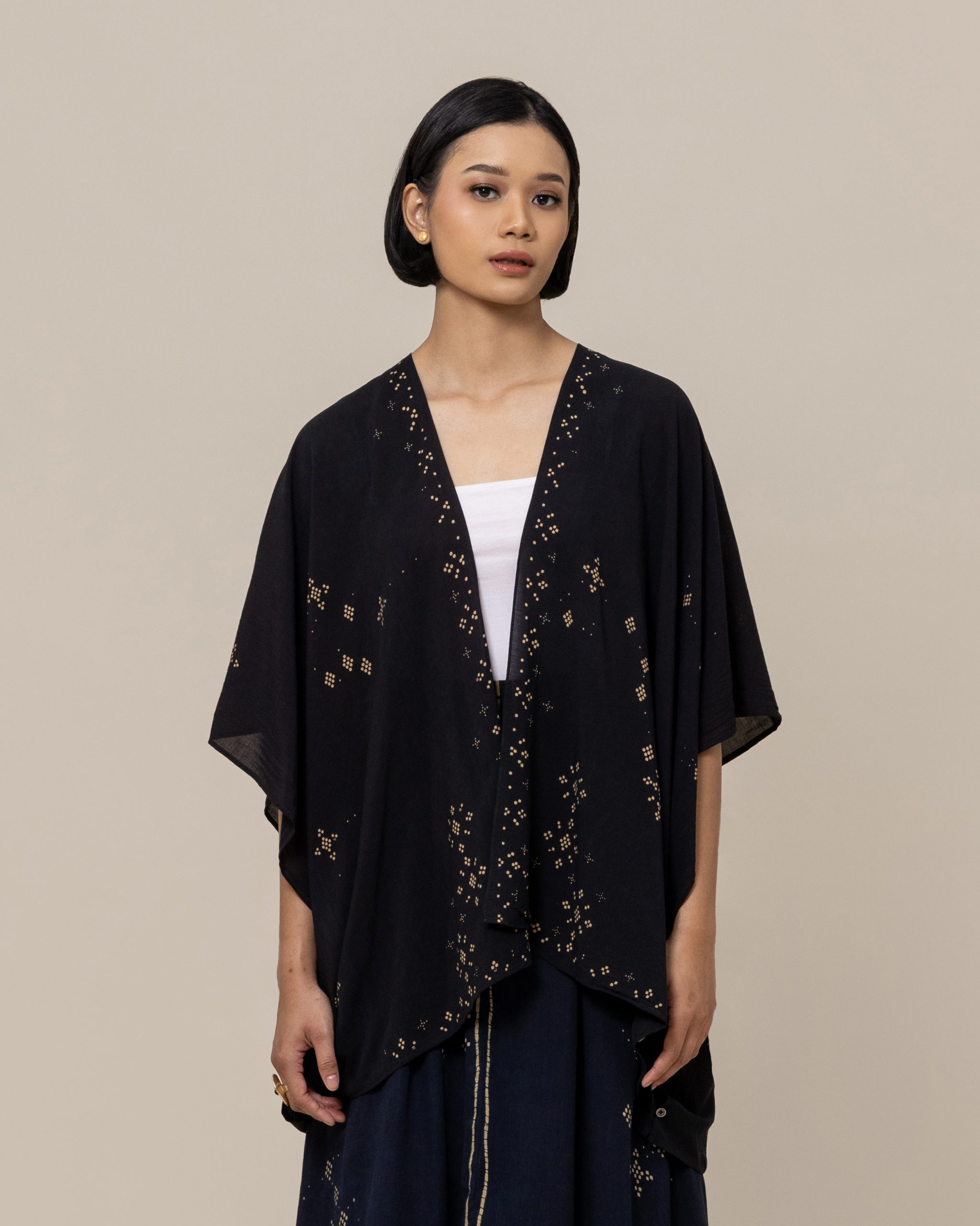
Capitalizing on the buzz, Sukkhacitta released an online-exclusive Sore collection featuring Dara herself as the model. The pleated dress, priced at IDR 3.9 million (USD 240), consistently sells out on the website and is now one of the brand’s bestsellers.
To complement the look, the team also designed scarves inspired by the film, available for IDR 1.69 million (USD 103) and IDR 1.99 million (USD 122), respectively.
The success was more than just a marketing win; it became a deeply personal milestone for the ibus.
To celebrate, Ana and her team are planning a special trip: taking the artisans, many of whom live in remote rural areas, to see Sore in theaters. For many of them, this will be their first time in a cinema.
This plan has been met with excitement form the ibus – although the trip out to the nearest cinema will be a logistical feat. The closest cinema is a 2-hour drive away from their villages.
Can sustainable fashion sustain itself?
It’s the question that lingers behind every ethically made button and hand-dyed hem: can sustainable fashion actually sustain a business?
In an industry wired for speed and scale, turning a profit without compromising values is no small feat. The temptation to cut corners – to prioritisee quantity over quality – is ever-present.
But Sukkhacitta has chosen a different path: one that’s slower, more intentional, and honours craftsmanship. That’s a hard path to tread.
Ana believes their sustainability mission can only thrive if the business itself does. The reality, she admits, is that only so many people genuinely care about the cause. Most are first drawn to Sukkhacitta by its aesthetics, and only later learn the ropes of slow fashion.
“At the beginning, it was quite hard because it was a very niche pool. We have to be craft first, we have to be quality first, we have to do beauty first – so that we can reach a bigger audience,” she says.
Aesthetic appeal is still the hook – many customers fall for the designs before they even learn about the mission. But that’s all part of the plan.
For Ana, sustainability isn’t a marketing gimmick; it’s the quiet engine powering everything from fabric choices to farmer livelihoods.
Today, she’s cautiously optimistic. A new generation of consumers is more informed than ever, increasingly aware of the hidden costs of fast fashion.
Sukkhacitta leans into that awareness, using its digital platforms – and even the labels sewn into each garment – to tell a deeper story. The tag on their pieces, for example, read simply: “Villages, not factories”, shining the light of the ibus toiling over their craft in villages around Indonesia.
The price tags, too, tell their own story. Sukkhacitta pieces may command a premium, but they’re built to last – and loved accordingly.
“Because you really cherish it, you wear it all the time,” says Ana.
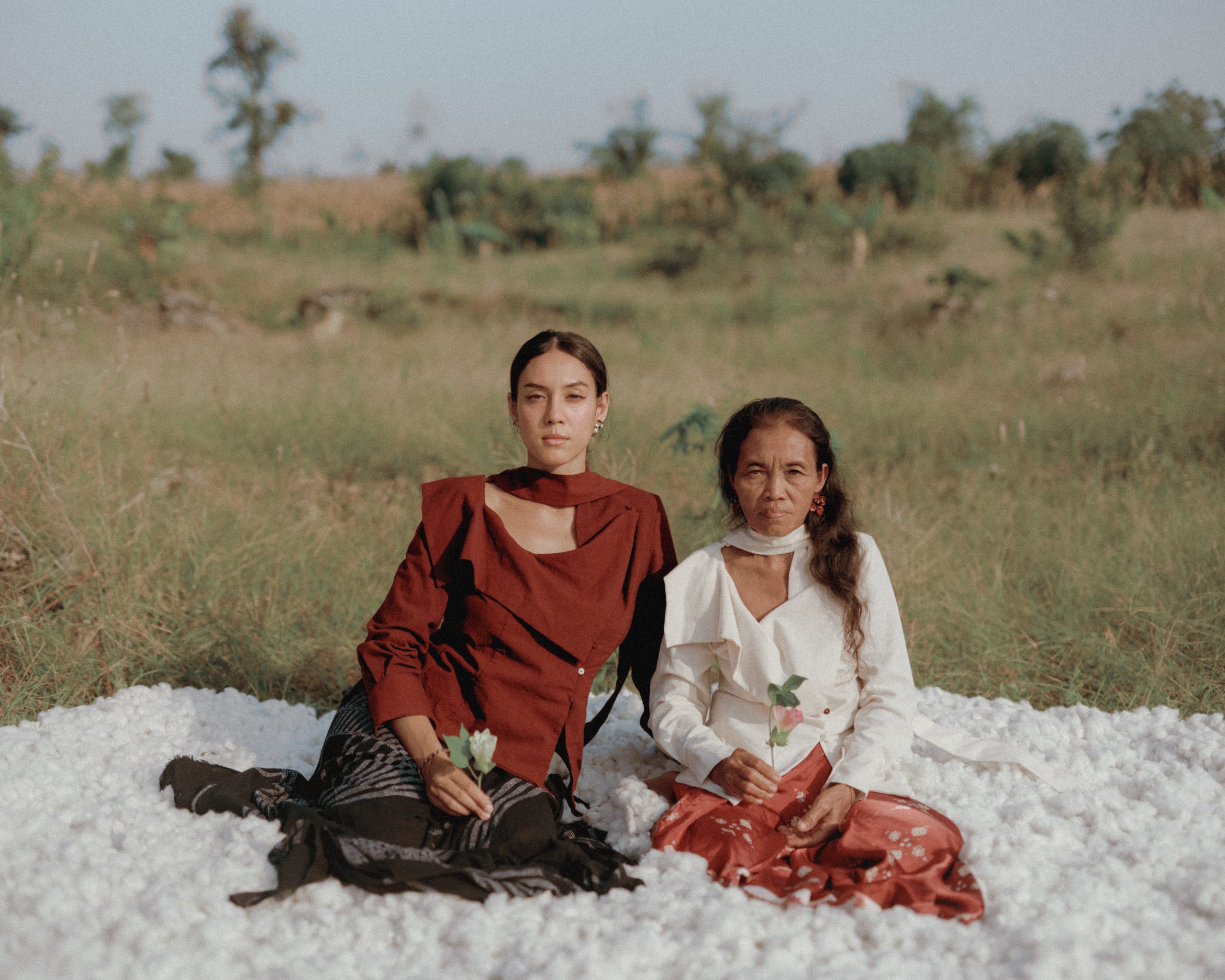
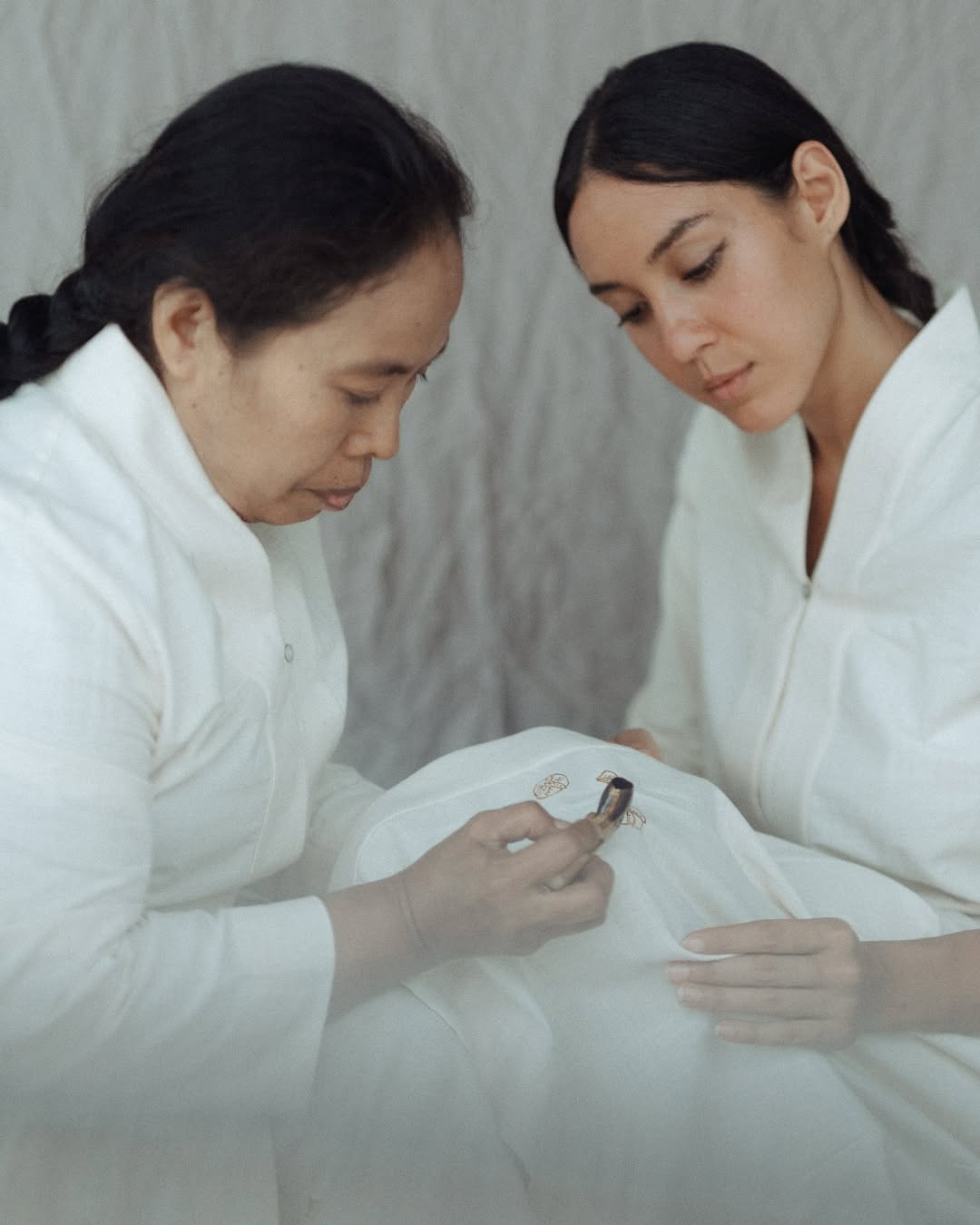
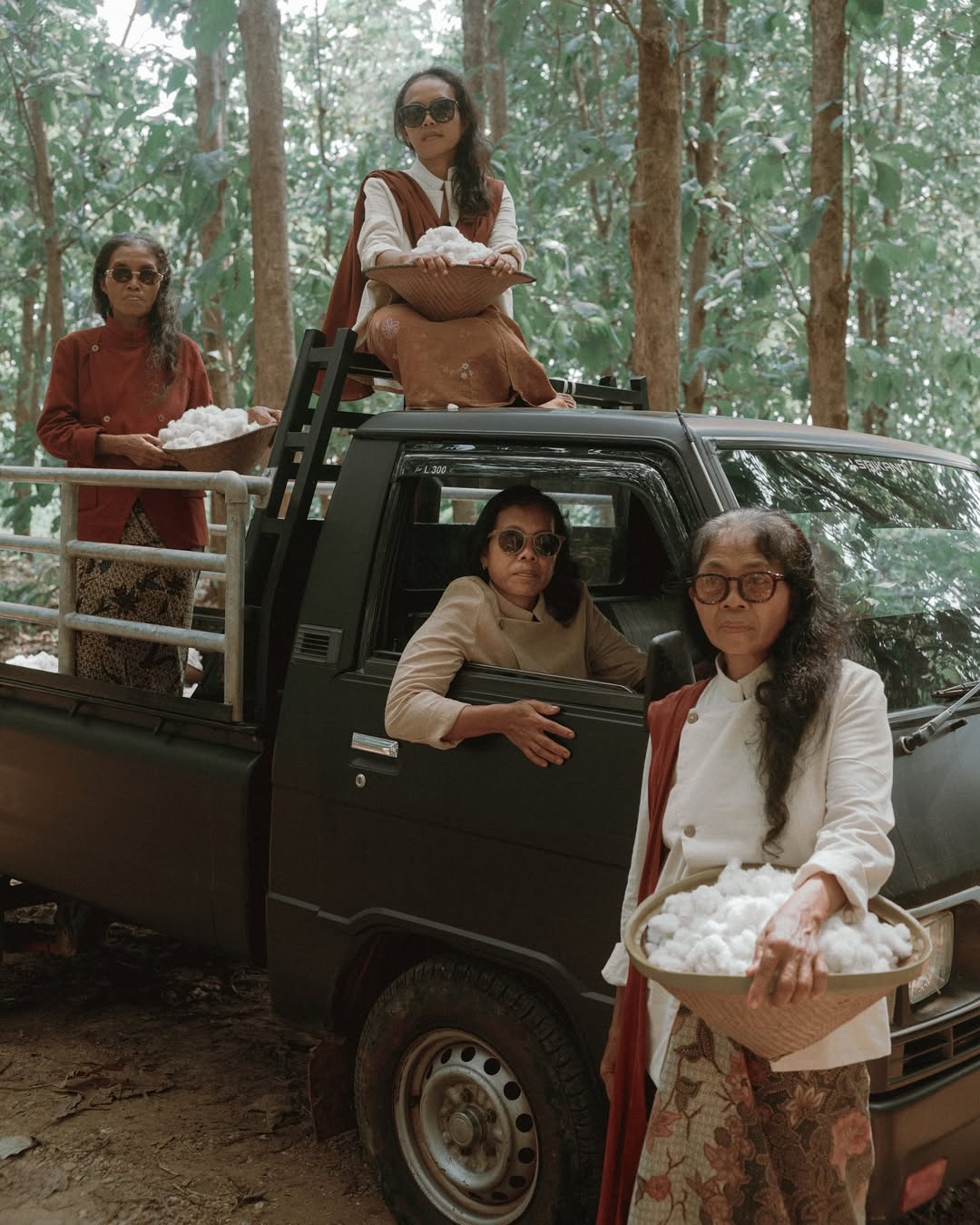
The higher price reflects the quality and durability of each piece, which, in turn, delivers a far lower cost per wear than your average fast-fashion find. It’s all about reframing what fashion can and should mean: to the producers, to the wearers, to the environment.
To push back against the disposable culture of trend-chasing, Sukkhacitta offers a lifetime guarantee on every item. Repairs and restoration are complimentary.
Customers can even re-dye their clothes to give them a second life – like one woman who transformed her old white piece into a vibrant indigo blue.
Even wedding dresses – garments typically worn just once in a lifetime – aren’t exempt from reinvention.
Ana recalls her experience working closely with a private client on their wedding gown. After crafting a personal bridal dress that impressed on the bride’s wedding day, Sukkhacitta then breathed new life into the piece, transforming it into a top-and-bottom set suitable for daily wear.
When asked about future competition, Ana welcomes the prospect of more like-minded players emerging in Indonesia.
Rather than seeing them as rivals, she believes these slow-fashion brands will help build an ecosystem that makes sustainable fashion the norm.
“We want people to actually start doing what we’re doing,” she says.
After all that’s how a real ecosystem is built and how change gathers momentum.
Today, that ecosystem is expanding beyond Sukkhacitta’s flagship boutique at Ashta 8 in Jakarta. The brand now has a pop-up at Plaza Indonesia and is stocked in luxury destinations like the Kempinski and Amandari hotels in Bali. Soon, their collections will debut at the ultra-exclusive Amanjiwo in Magelang, Central Java – proof that slow fashion can, in fact, go far.
As trends come and go, Sukkhacitta’s mission remains firm: build something beautiful, meaningful, and lasting: from the soil, to the stitch, to the soul.
And if the growing demand, global buzz, and unwavering dedication of their ibus are any sign, the future of sustainable fashion in Indonesia might just be handcrafted.